
Quick Guide
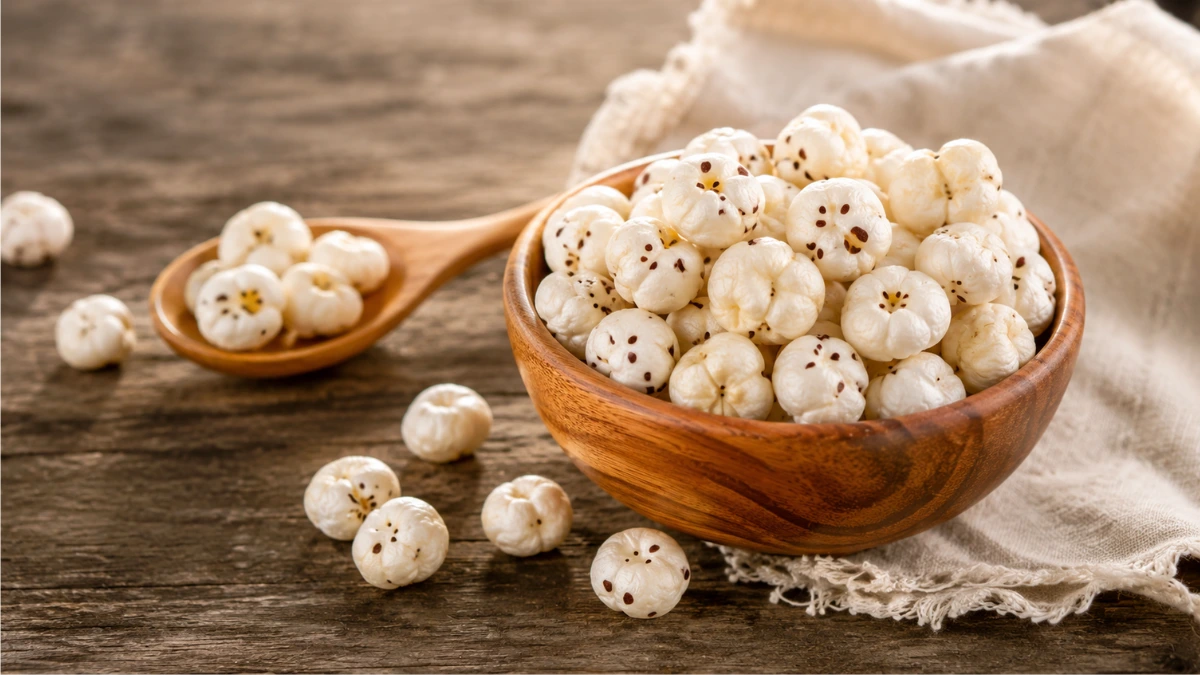
Makhana, also known as fox nuts or lotus seeds, is a light and crunchy snack that’s naturally rich in plant protein, fiber, magnesium, and antioxidants. When roasted without excess oil or salt, it can be a nutritious addition to a balanced diet.
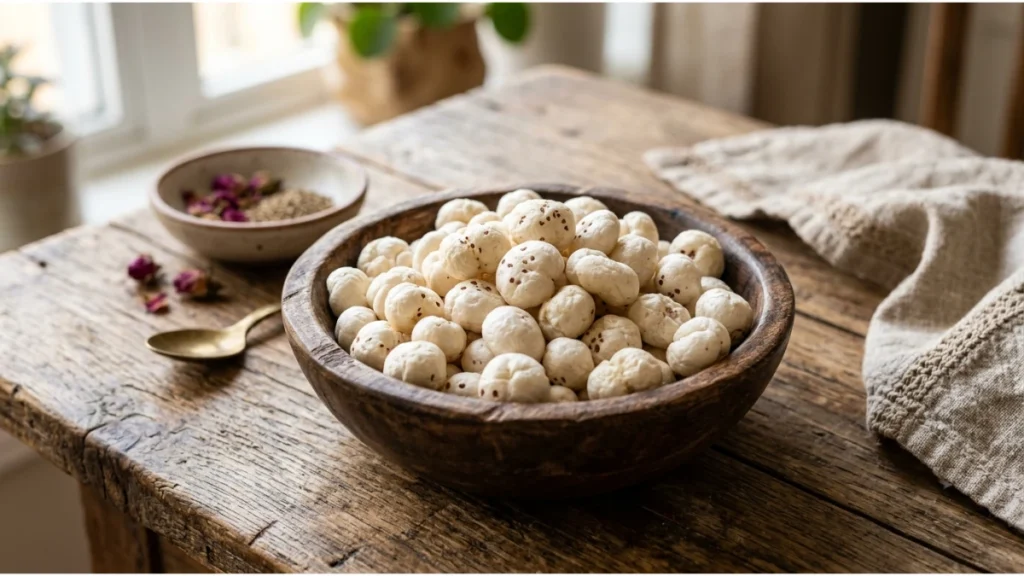
Walk through any supermarket today and you’ll notice one traditional Indian snack appearing almost everywhere—makhana. Once considered a simple fasting food, it’s now recommended by nutritionists, fitness enthusiasts, and even busy professionals looking for healthier snack options. So what makes these light, crunchy fox nuts so popular? The answer lies in their surprisingly impressive nutrition profile.
At first glance, these small white puffs may not look particularly special. But once I started researching their nutritional value, I realized why nutritionists and healthy eating enthusiasts recommend them so often. They’re light, satisfying, easy to prepare, and packed with nutrients that many people don’t realize they’re getting from such a simple snack.
While makhana isn’t a miracle food, it can be a smart choice when you’re looking for a healthier alternative to fried or heavily processed snacks. Let’s explore the surprising health benefits that make it worth adding to your diet.
Table of Contents
11 Surprising Health Benefits of Makhana
Research Insight
According to nutritional data from the USDA FoodData Central, makhana provides plant-based protein along with minerals like magnesium and phosphorus, making it a nutritious snack option when enjoyed as part of a balanced diet.
1. A Light Snack That Can Keep You Feeling Full
One of the first things you’ll notice about makhana is how filling it feels despite being light.
Its combination of protein and fiber may help you stay satisfied for longer, making it easier to avoid frequent snacking on ultra-processed foods.
2. Naturally Rich in Magnesium
A 100-gram serving of makhana provides meaningful amounts of magnesium, phosphorus, and plant protein, nutrients involved in normal muscle, nerve, and bone function.
Makhana provides a natural source of this important nutrient.
3. Supports a Balanced Diet
Makhana isn’t about replacing meals—it’s about making better snack choices.
Swapping chips or sugary snacks for roasted makhana is a simple change that many people find easy to maintain.
4. Provides Plant-Based Protein
Protein plays an important role in maintaining muscles and supporting normal body functions.
Although makhana shouldn’t be your only protein source, it can contribute to your daily intake as part of a varied diet.
5. Contains Natural Antioxidants
Makhana contains naturally occurring antioxidant compounds.
Antioxidants help protect the body’s cells from oxidative stress, which is one reason a variety of plant foods are recommended in healthy eating patterns.
6. Easy to Digest for Many People
Unlike some heavy snacks, roasted makhana is light and simple.
Many people enjoy it in the evening or between meals because it feels satisfying without being overly rich.
7. A Better Alternative to Many Processed Snacks
One thing that stood out during my research is that the biggest benefit of makhana isn’t just what’s inside it—it’s what it often replaces.
Choosing plain roasted makhana instead of deep-fried snacks can help reduce your intake of excess sodium, unhealthy fats, and added ingredients.
8. Naturally Gluten-Free
For people following a gluten-free diet, plain makhana is naturally free from gluten.
Just be sure to check packaged flavored varieties for added ingredients.
9. Easy to Include in Everyday Meals
Healthy foods are only useful if you actually enjoy eating them.
Makhana can be roasted with mild spices, added to trail mixes, mixed into yogurt, or simply enjoyed as a quick snack.
10. Convenient for Busy Days
You don’t need to cook an entire meal to eat healthier.
Keeping a small container of roasted makhana at your desk or in your bag makes choosing a nutritious snack much easier when you’re on the go.
11. Healthy Habits Are Built on Simple Choices
This may be the most overlooked benefit of all.
Makhana won’t transform your health overnight, but replacing less nutritious snacks with wholesome options day after day can make a meaningful difference over time.
Small choices often lead to lasting habits.
How to Eat Makhana for Maximum Benefits
Research Insight
A peer-reviewed review on Euryale ferox suggests that makhana contains natural bioactive compounds, including polyphenols and flavonoids, which contribute to its antioxidant properties. Researchers also note that more human studies are needed to better understand its long-term health effects.
The healthiest way to enjoy makhana is to keep it simple.
- Dry roast or lightly roast it.
- Use a small amount of healthy oil if needed.
- Season with black pepper, turmeric, cumin, or a pinch of rock salt.
- Avoid heavily salted or sugar-coated packaged varieties.
- Pair it with fruits or nuts for a more balanced snack.
Moderation is key. A small bowl (about 25–30 grams) is a practical serving for most people.
Who Should Be Careful?
Makhana is generally well tolerated by most people when eaten in moderation.
However:
- Flavored varieties may contain high amounts of sodium.
- Eating very large portions may cause digestive discomfort in some people.
- People with specific allergies or medical conditions should follow advice from their healthcare provider.
My Personal Experience
Before researching makhana, I honestly thought it was just another traditional snack.
What changed my perspective was learning how nutrient-dense it is without being complicated. It’s affordable, widely available, and incredibly easy to prepare.
For me, the biggest advantage isn’t that makhana is “perfect.” It’s that it’s a realistic snack I’ll actually reach for instead of a packet of chips. And that’s often what healthy eating is really about—making better choices consistently, not perfectly.
Frequently Asked Questions
Is it okay to eat makhana every day?
For many healthy adults, moderate portions of plain roasted makhana can be part of a balanced diet.
Is roasted makhana healthier than fried makhana?
Generally, dry roasted or lightly roasted makhana contains less added fat than deep-fried versions.
What is the best time to eat makhana?
Many people enjoy it as a mid-morning or evening snack, but there’s no single “best” time.
How much makhana should I eat daily?
Around one small bowl (25–30 grams) is a practical serving for most people.
Final Thoughts
Makhana proves that healthy eating doesn’t have to be expensive or complicated.
Its combination of plant protein, fiber, minerals, and antioxidants makes it a smart snack choice for many people. More importantly, it’s easy to enjoy, making it one of those healthy habits that’s actually realistic to maintain.
Instead of searching for a miracle food, focus on building simple habits—and makhana can certainly be one of them.
