
Quick Guide
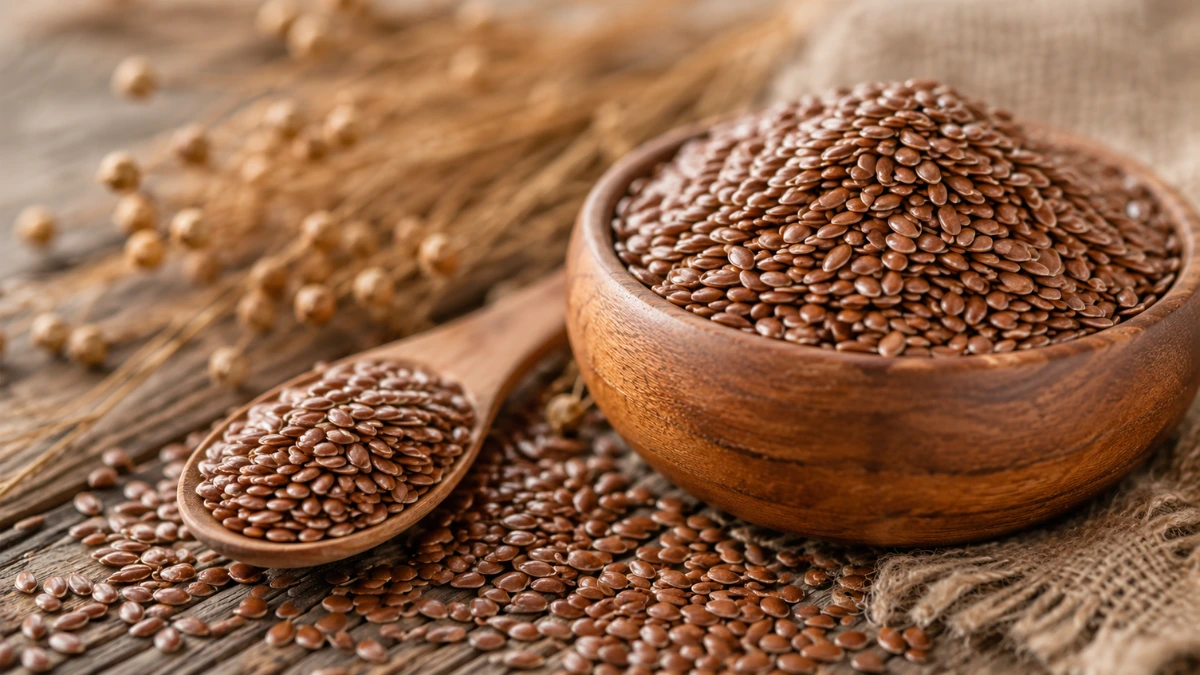
Flax seeds (also known as linseeds) are tiny, nutrient-rich seeds packed with fiber, plant-based omega-3 fatty acids (ALA), and lignans. They are usually eaten in ground form for better absorption and can be easily added to smoothies, yogurt, oatmeal, salads, or roti dough.
According to USDA FoodData Central, flax seeds provide a strong combination of fiber, healthy fats, and plant compounds that support overall nutrition when included in a balanced diet.
In recent years, flax seeds have quietly become one of the most popular additions to healthy diets worldwide. From fitness enthusiasts to nutrition experts, many people now include them in their daily routine.
At first glance, flax seeds look simple and unremarkable. But their nutritional profile tells a different story. They are affordable, easy to use, and naturally rich in essential nutrients.
However, it’s important to understand that flax seeds are not a miracle food—they are a smart, supportive addition to a balanced diet that can help improve overall nutrition habits over time.
Table of Contents
Flax Seeds Benefits (Backed by Nutrition Science)
1. Rich Source of Plant-Based Omega-3 (ALA)
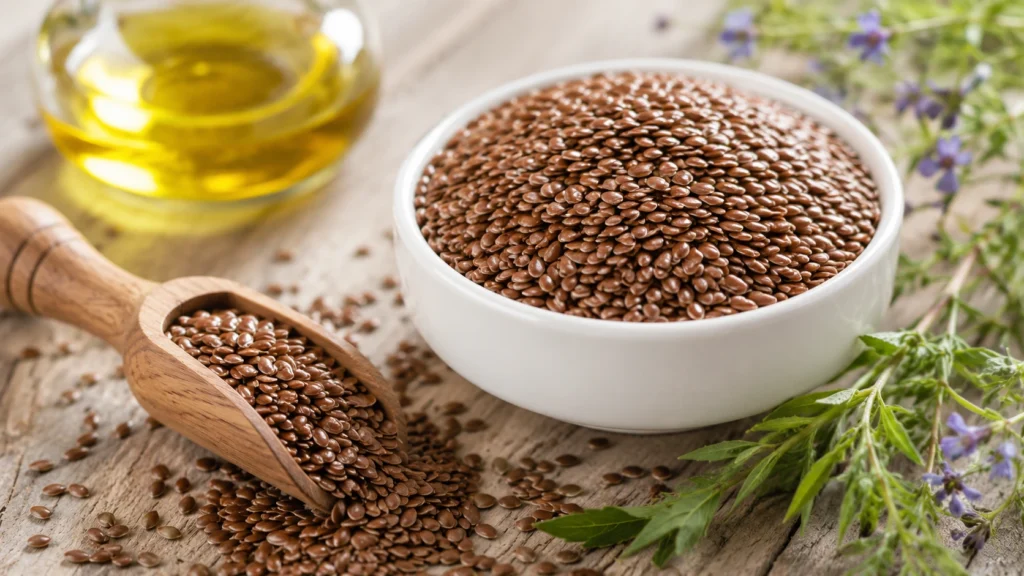
Flax seeds are one of the best plant-based sources of alpha-linolenic acid (ALA), a type of omega-3 fatty acid.
ALA supports normal heart and brain function as part of a balanced diet. While it is different from fish-based omega-3s (EPA/DHA), it still contributes to overall fatty acid intake, especially for plant-based diets.
2. High in Dietary Fiber
Flax seeds contain both soluble and insoluble fiber.
Fiber supports digestion and helps maintain regular bowel movements. Increasing fiber intake through natural foods like flax seeds is a simple way to improve daily nutrition.
3. Contains Lignans (Plant Antioxidants)
Flax seeds are especially rich in lignans, plant compounds with antioxidant properties.
Antioxidants help protect cells from oxidative stress. Flax seeds contain significantly more lignans compared to many other plant foods, which is one reason they are widely studied in nutrition research.
4. May Support Heart Health
According to research summarized by NIH dietary studies, flax seeds may help support healthy cholesterol levels when consumed regularly as part of a balanced diet.
Flax seeds are often included in heart-friendly diets because of their combination of fiber, healthy fats, and plant compounds.
5. Can Help Increase Satiety
Because flax seeds contain fiber and healthy fats, they may help you feel full for longer after meals.
This is one reason they are often added to breakfast bowls or smoothies—they can make meals more satisfying without adding many extra calories.
6. Easy to Add to Everyday Meals
One of the biggest advantages of flax seeds is how simple they are to use.
You can add them to:
- Smoothies
- Oatmeal or porridge
- Yogurt
- Salad
- Chapati or roti dough
- Homemade energy bars
Ground flax seeds are usually preferred because the body can absorb nutrients more easily.
7. May Support Healthy Skin
Flax seeds contain healthy fats and antioxidants that contribute to overall skin nutrition.
While they are not a skincare treatment, including them in a balanced diet may support skin health from within over time.
8. Naturally Plant-Based and Vegan-Friendly
Flax seeds are completely plant-based, making them suitable for vegetarian and vegan diets.
They are often used as an egg substitute in baking when mixed with water (commonly called “flax egg”).
9. Affordable Superfood
Unlike many modern “superfoods,” flax seeds are budget-friendly and widely available.
This makes them a practical long-term addition to daily eating habits without increasing food costs significantly.
How to Eat Flax Seeds for Maximum Benefits
Nutrition Insight
Flax seeds contain nutrients that are better absorbed when they are ground rather than eaten whole. Whole flax seeds may pass through the digestive system without fully breaking down.
Best way to use:
- Use 1–2 tablespoons daily
- Prefer ground flax seeds
- Store in an airtight container (preferably in the fridge)
Simple ways to include:
- Mix in warm water or smoothies
- Sprinkle on breakfast cereals
- Add to dough while making rotis
Who Should Be Careful?
Flax seeds are generally safe when eaten in moderation, but:
- Eating too much may cause digestive discomfort in some people
- People with specific medical conditions should consult a healthcare provider
- Always drink enough water when increasing fiber intake
My Personal Experience
At first, flax seeds feel like just another “health trend.” But the real value is how easy they are to actually use.
They don’t require cooking skills, they don’t change the taste of food much, and they fit into almost any meal. That’s why many people stick with them long-term—not because they are magical, but because they are practical.
Frequently Asked Questions
Can I eat flax seeds daily?
Yes, in moderate amounts (1–2 tablespoons), flax seeds can be part of a daily balanced diet.
Should flax seeds be roasted or raw?
Both can be used, but ground flax seeds are generally preferred for better nutrient absorption.
What is the best time to eat flax seeds?
There is no fixed best time. They can be taken in breakfast, lunch, or evening meals.
Do flax seeds help in weight management?
They may support satiety due to fiber content, which can help reduce unnecessary snacking.
Final Thoughts
Flax seeds are a simple example of how small dietary changes can improve overall nutrition.
They are not a miracle food, but their combination of fiber, healthy fats, and plant compounds makes them a smart addition to a balanced diet.
If you’re looking for an easy habit to upgrade your daily eating routine, flax seeds are one of the most practical options to start with.
You May Also Like
