
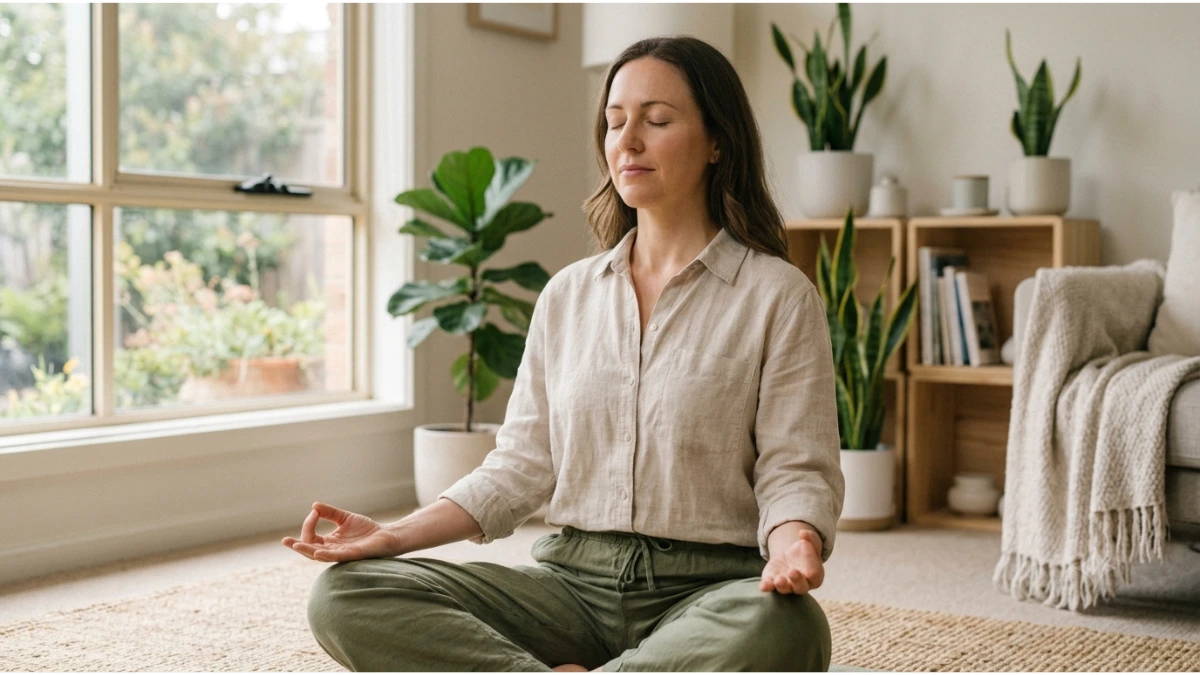
We’ve all heard the advice: “Take a deep breath.” But when stress takes over, can something as simple as slowing your breathing actually help you feel calmer? Deep breathing exercises for stress are often recommended as a simple way to promote relaxation—but do they actually work?
The answer is yes, potentially. Research suggests that slow, controlled breathing may help regulate the body’s stress response and promote relaxation. It isn’t a cure for stress, but it can be a simple tool to help you manage stressful moments.
So, how does deep breathing work, what does the research really show, and how can you practice it effectively? Let’s take a closer look.
Quick Guide
| Quick Facts | Details |
|---|---|
| Best For | Managing everyday stress and promoting relaxation |
| Also Known As | Diaphragmatic breathing, belly breathing |
| Time Needed | About 5 minutes or longer, depending on your routine |
| Difficulty Level | Beginner-friendly |
| Main Benefits | May help reduce stress and promote relaxation |
| Works Best With | Regular practice and other healthy stress-management habits |
| When to Practice | During stressful moments, work breaks, in the morning, or before bedtime |
| Evidence Level | Research suggests deep breathing may help reduce stress and promote relaxation, although more high-quality research is needed. |
| Suitable For | Generally suitable for most people; if breathing exercises cause discomfort or you have a medical condition affecting your breathing, seek professional advice |
In This Article
What Is Deep Breathing?
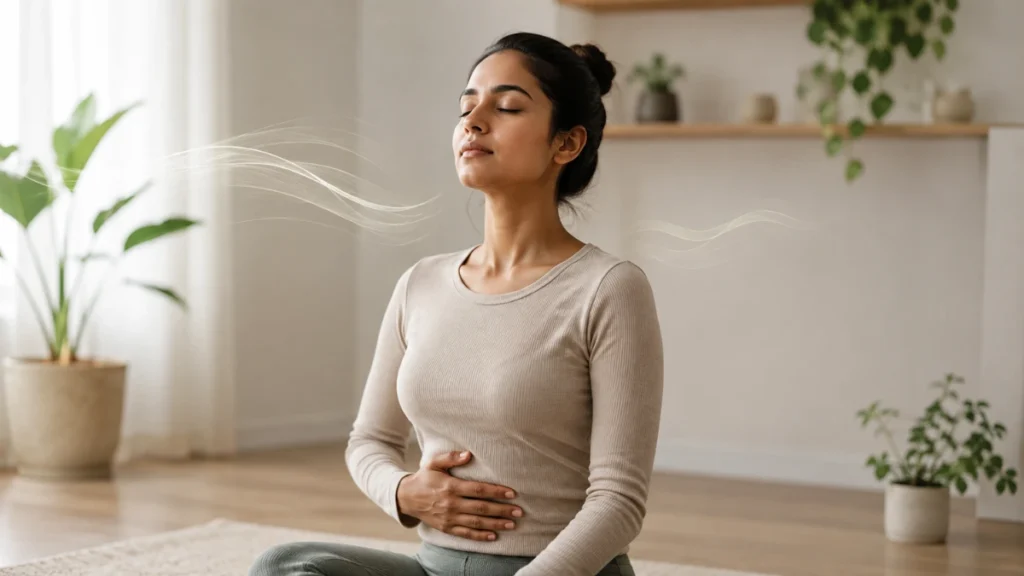
Deep breathing, also known as diaphragmatic or belly breathing, is a technique that uses the diaphragm—the main muscle involved in breathing—to create slow, controlled breaths.
Unlike shallow chest breathing, diaphragmatic breathing allows the abdomen to gently expand as you inhale and relax as you exhale. This slower breathing pattern may help promote relaxation and influence the body’s stress response.
The goal isn’t to take the biggest breath possible. Instead, focus on breathing slowly, comfortably, and without forcing each breath.
Chest Breathing vs. Deep Breathing
Both chest and diaphragmatic breathing are normal ways of breathing. The difference is mainly in which muscles contribute more to the movement and how the breathing pattern feels.
| Chest-Dominant Breathing | Deep (Diaphragmatic) Breathing |
|---|---|
| More movement in the chest | More movement in the abdomen |
| Often involves shorter breaths | Typically slower and more controlled |
| Can occur naturally during stress or physical effort | Often used intentionally for relaxation |
| May feel less comfortable when breathing becomes rapid or tense | Designed to encourage a comfortable, steady breathing rhythm |
Key Takeaway: Deep breathing isn’t about taking the biggest breath possible. The goal is to breathe slowly, comfortably, and without forcing the breath.
When you’re stressed, your breathing may naturally become faster or shallower. Practicing slow, controlled breathing can be one simple way to encourage a calmer breathing pattern.
Why Stress Changes the Way You Breathe (and Why Slowing It Down Helps)
When you feel stressed, your body can activate the fight-or-flight response, which may make your breathing faster and shallower. This is a normal response that prepares your body to respond to a perceived threat.
Slow, controlled breathing may help counter this pattern by promoting a more relaxed breathing rhythm. It can also influence the parasympathetic nervous system, which is involved in the body’s relaxation response.
The connection works both ways: stress can change how you breathe, while intentionally slowing your breathing may help you feel calmer. Research suggests that slow breathing can have measurable effects on stress-related responses, although the strength of the evidence varies. Research reviews have found promising effects on perceived stress, while also noting limitations in the available evidence.
Key Takeaway: Stress can make your breathing faster and shallower. Slow, comfortable breathing may help encourage a calmer physiological state, making it a useful tool for managing everyday stress.
Do Deep Breathing Exercises for Stress Actually Work?
The short answer: it may help. Research suggests that slow, controlled breathing can reduce perceived stress and promote relaxation, but the evidence is not strong enough to consider deep breathing a complete solution for stress.
A 2023 systematic review and meta-analysis of 12 randomized controlled trials involving 785 adults found a small-to-moderate reduction in self-reported stress after breathwork interventions. However, the researchers also noted limitations in the available studies, including risk of bias, so more rigorous research is needed.
Earlier research has also suggested that diaphragmatic breathing may influence the autonomic nervous system and support emotional well-being. A review published in Frontiers in Psychology discussed how diaphragmatic breathing may contribute to relaxation and stress regulation.
Deep breathing is therefore best viewed as a simple stress-management tool, rather than a cure. Practicing it regularly may make it easier to use when stressful moments arise, especially alongside other healthy habits.
Key Takeaway: Research suggests that deep, slow breathing may help reduce everyday stress and promote relaxation, but its effects vary and it works best as one part of a broader stress-management approach.
5 Potential Benefits of Deep Breathing
Research suggests that slow, controlled breathing may help reduce perceived stress and promote relaxation. Its effects can vary from person to person, but it is a simple, low-cost practice that can be used alongside other healthy stress-management habits. Research reviews have found promising effects on perceived stress, although more high-quality research is still needed.
1. May Help Reduce Feelings of Stress
Slow breathing may help reduce perceived stress and encourage a calmer physiological state. This can make it a useful tool during everyday stressful moments.
2. May Promote Relaxation
Deep breathing can encourage a slower, more comfortable breathing rhythm and may influence the body’s relaxation response.
3. May Help You Refocus
Taking a few slow breaths gives you a chance to pause and bring your attention back to your breathing. This brief reset may help you refocus when stress or distractions make it difficult to concentrate.
4. May Help With Relaxation Before Bed
Because slow breathing can promote relaxation, some people may find it useful as part of a calming bedtime routine. However, it should not be considered a treatment for sleep problems.
5. Can Support Mindful Breathing
Paying attention to the pace and sensation of your breath can help you stay focused on the present moment. This makes deep breathing easy to combine with mindfulness or meditation practices.
Key Takeaway: Deep breathing is not a magic solution, but it can be a simple way to encourage relaxation and manage everyday stress. Its benefits are best viewed as supportive rather than as a replacement for treatment or other healthy habits.
How to Practice Deep Breathing Correctly
Deep breathing is simple and requires no special equipment. The goal is to breathe slowly, comfortably, and without forcing the breath. NHS breathing exercises for stress
Step 1: Get Comfortable
Sit upright or lie down in a comfortable position. Relax your shoulders, jaw, and neck, and allow your body to settle.
Step 2: Place Your Hands
Place one hand on your chest and the other on your belly. As you breathe in, allow your belly to gently rise while keeping your chest relatively still.
Step 3: Breathe In Slowly
Inhale gently through your nose, allowing your belly to expand naturally. Don’t try to take the biggest breath possible.
Step 4: Exhale Slowly
Breathe out gently and slowly, allowing your belly to relax. Keep the breath smooth rather than forcing the air out.
Step 5: Continue for a Few Minutes
Repeat this comfortable breathing pattern for about 5 minutes, or longer if it feels comfortable. With regular practice, you may find it easier to use slow breathing during stressful moments. NHS breathing exercises for stress
Key Takeaway: The goal is not to take the deepest breath possible. Focus on slow, gentle, and comfortable breathing.
A Simple 5-Minute Deep Breathing Routine
If you’re new to deep breathing, you can start with a simple 5-minute routine. Keep your breathing slow, gentle, and comfortable rather than trying to take unusually large breaths. NHS breathing exercises for stress
| Time | What to Do |
|---|---|
| 1 minute | Sit comfortably, relax your shoulders, and settle into a natural breathing rhythm. |
| 2 minutes | Breathe in gently through your nose and allow your belly to rise naturally. |
| 2 minutes | Continue with slow, comfortable breaths while keeping your attention on the movement of your breath. |
If counting your breaths feels comfortable, you can use a gentle count to slow your breathing. There is no need to force a specific timing—the rhythm should feel natural and relaxed.
Tip: If you feel light-headed, uncomfortable, or short of breath, stop and return to your normal breathing.
Best Times to Practice
You can practice deep breathing at different times of the day, especially when you want to create a brief pause or settle into a calmer routine:
- Morning: To begin the day with a few quiet minutes
- During stressful moments: To pause and slow your breathing
- Work or study breaks: To step away briefly and reset
- Before bedtime: As part of a relaxing wind-down routine
The most useful time is often the one you can practice consistently and comfortably.
Common Mistakes to Avoid
Deep breathing should feel natural rather than forced. Avoid these common mistakes:
- Taking breaths that are too large or forceful
- Lifting your shoulders excessively as you inhale
- Breathing too quickly
- Holding your breath if it feels uncomfortable
- Expecting deep breathing to eliminate stress after one session
Is Deep Breathing Safe for Everyone?
Deep breathing should feel comfortable and relaxed. If an exercise causes dizziness, shortness of breath, or significant discomfort, stop and return to your normal breathing.
If you have a heart or lung condition, or if focusing on your breathing tends to increase your anxiety or discomfort, it may be helpful to speak with a healthcare professional before starting a new breathing practice. Mayo Clinic – Stress management and relaxation techniques
Key Takeaway: Deep breathing should support relaxation, not create discomfort. Start gently, use a comfortable rhythm, and adjust or stop the practice if it doesn’t feel right.
Frequently Asked Questions
How long should I practice deep breathing each day?
You can start with about 5 minutes and continue longer if it feels comfortable. There is no need to force a specific duration; consistency and comfortable breathing matter more than practicing for a set number of minutes. NHS breathing exercises for stress
How quickly does deep breathing work?
You may feel more relaxed after a few minutes of slow, controlled breathing, but the experience varies from person to person. Regular practice may make it easier to use deep breathing as a stress-management tool when you need it.
Can deep breathing lower cortisol?
Some research suggests that slow, diaphragmatic breathing may influence cortisol levels, but the evidence is still limited and results are not consistent enough to say that deep breathing reliably lowers cortisol for everyone. NCCIH – Stress
Is deep breathing the same as meditation?
Not exactly. Deep breathing is a breathing technique, while meditation is a broader group of practices that can involve attention, awareness, or mindfulness. Deep breathing can be used on its own or as part of a meditation practice.
Can I practice deep breathing before sleep?
Yes. Slow, comfortable breathing can be included in a relaxing bedtime routine. It may help you unwind, particularly after a stressful day, although deep breathing should not be considered a treatment for ongoing sleep problems.
Final Thoughts
Stress is a normal part of life, but having simple ways to manage it can make stressful moments easier to handle. Deep breathing isn’t a miracle cure, but research suggests it may help reduce perceived stress and promote relaxation.
The best part is that it requires no special equipment and can be practiced almost anywhere. Start with a few comfortable minutes, practice consistently, and use it as one simple tool alongside other healthy stress-management habits.
Sometimes, slowing your breathing is a small pause that gives you a chance to slow down, too.
