Have you been feeling tired more often than usual or struggling to stay energized throughout the day? While many factors can contribute to low energy, not getting enough iron is one possible reason—especially if you follow a vegetarian diet.
The good news is that you don’t need to eat meat to meet your iron needs. Many plant-based foods naturally contain iron and can easily fit into your everyday meals. Knowing which foods to choose—and how to improve your body’s ability to absorb iron—can make a real difference.
In this guide, you’ll discover 10 of the best iron-rich vegetarian foods, their approximate iron content, key health benefits, and simple ways to add them to your diet. You’ll also learn practical tips to help your body absorb iron more effectively, so you can get the most from every meal.
In This Article
Quick Guide
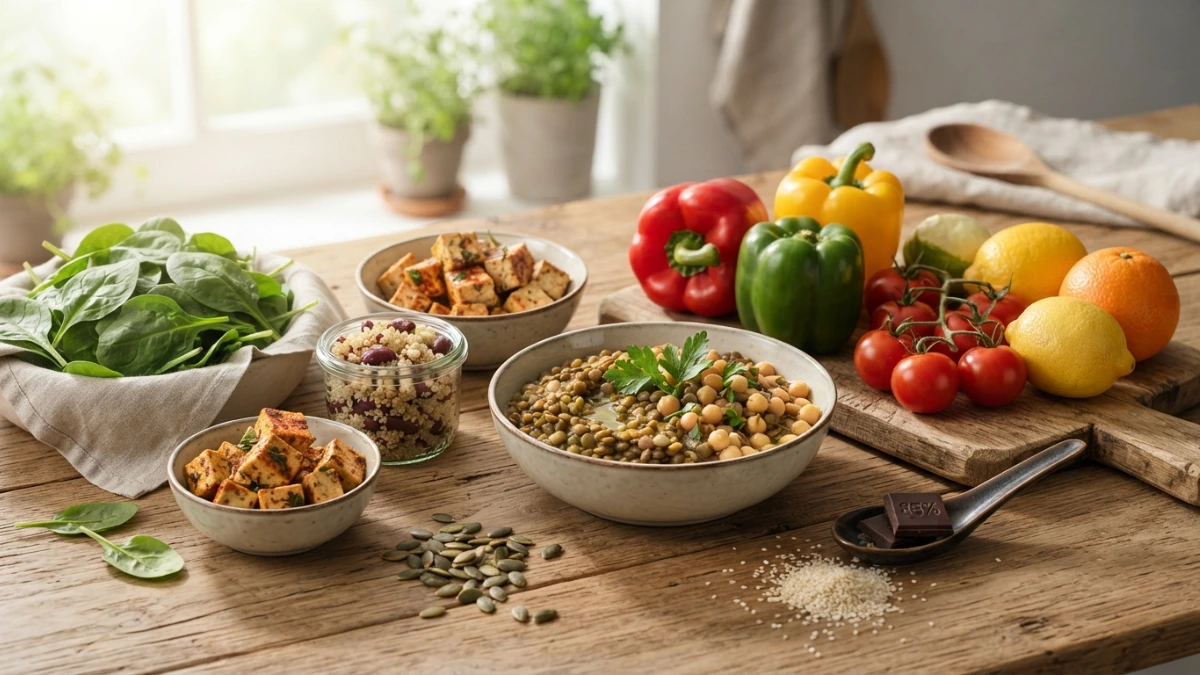
If you’re looking for the best vegetarian sources of iron, some of the top choices include lentils, spinach, tofu, pumpkin seeds, sesame seeds, chickpeas, kidney beans, quinoa, fortified breakfast cereals, and dark chocolate.
For better absorption, pair these iron-rich foods with vitamin C-rich options such as oranges, tomatoes, bell peppers, or kiwi. Vitamin C may help your body absorb non-heme iron—the type of iron found in plant foods—more effectively.
According to the National Institutes of Health (NIH), iron is essential for making hemoglobin, the protein in red blood cells that carries oxygen throughout the body.
Top 10 Iron-Rich Vegetarian Foods
The foods below are listed as practical vegetarian sources of iron, with approximate amounts based on common serving sizes.
| Food | Serving | Approx. Iron | Best Pair With |
|---|---|---|---|
| Lentils, cooked | 1 cup | ~6.6 mg | Tomatoes or lemon |
| Spinach, cooked | 1 cup | ~6.4 mg | Lemon juice |
| Tofu, firm | ½ cup | ~3 mg | Bell peppers |
| Kidney beans, cooked | 1 cup | ~3.9–5.2 mg | Tomatoes |
| Chickpeas, cooked | ½ cup | ~2 mg | Red bell peppers |
| Dark chocolate (45–69% cacao) | 1 oz (28 g) | ~2 mg | Berries |
| Quinoa, cooked | 1 cup | ~2.8 mg | Strawberries |
| Pumpkin seeds | 1 oz (28 g) | ~2.5 mg | Orange |
| Sesame seeds | 1 oz (28 g) | ~4.1 mg | Kiwi |
| Iron-fortified breakfast cereal | 1 serving | Varies | Orange or orange juice |
Note: Iron values are approximate and may vary depending on the food variety, brand, serving size, and preparation method.
Sources: Iron values are based on data from the NIH Office of Dietary Supplements and USDA FoodData Central.
Why Is Iron So Important?
Iron is an essential mineral that your body needs to produce hemoglobin, a protein in red blood cells that carries oxygen from your lungs to the rest of your body. Without enough iron, your body may not produce enough healthy red blood cells, which can increase the risk of iron deficiency and, in some cases, iron-deficiency anemia.
Iron also plays an important role in:
- Supporting energy production
- Helping the immune system function properly
- Maintaining normal brain function
- Supporting healthy growth and development
According to the NIH Office of Dietary Supplements, iron requirements vary based on factors such as age and sex. Women of reproductive age generally need more iron than men because of menstrual blood loss, making it especially important to include iron-rich foods as part of a balanced diet.
Top 10 Iron-Rich Vegetarian Foods
1. Lentils – One of the Best Everyday Sources of Iron
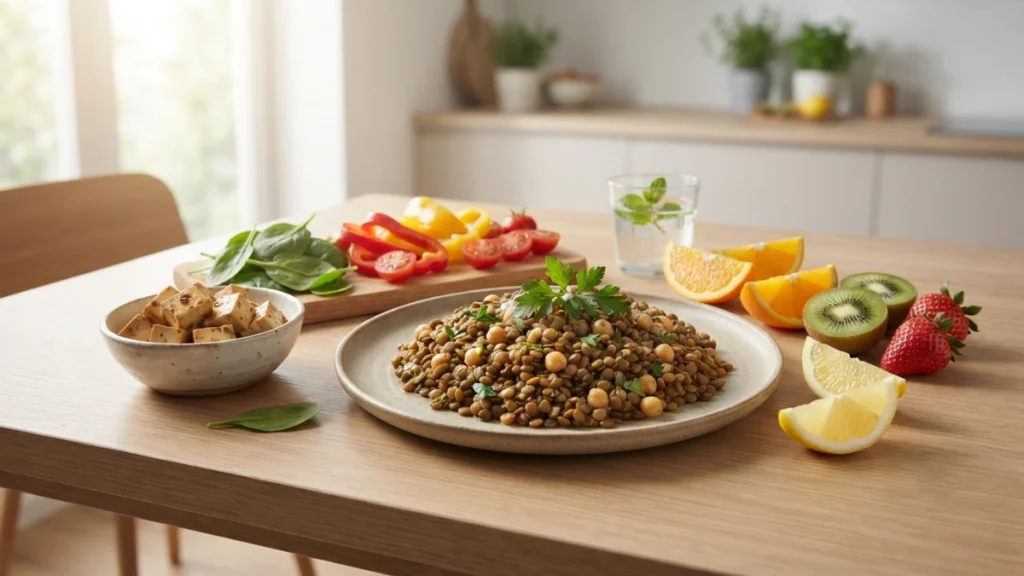
Lentils are one of the best vegetarian sources of iron. One cup of cooked lentils provides about 6.59 mg of iron, along with plant-based protein, fiber, and folate. They’re perfect for soups, curries, salads, and grain bowls. According to the NIH Office of Dietary Supplements, lentils contain non-heme iron, which is absorbed better when paired with vitamin C-rich foods.
Pro Tip: Add lemon juice or serve lentils with tomatoes or bell peppers to improve iron absorption.
2. Cooked Spinach – A Nutrient-Rich Green
Cooked spinach is packed with iron, folate, vitamin A, and antioxidants. One cup provides around 6.43 mg of iron. Cooking spinach can reduce some oxalates, but the iron in spinach is still less readily absorbed than iron from many other foods. While spinach is a great choice, it’s best enjoyed as part of a varied, iron-rich diet.
Pro Tip: Pair cooked spinach with lemon juice, tomatoes, or citrus fruits for better iron absorption.
3. Tofu – A Protein and Iron Powerhouse
Tofu is an excellent source of both iron and plant-based protein. A ½-cup serving of firm tofu provides about 3 mg of iron, although the amount can vary by product and preparation. Some varieties are also fortified with calcium, so check the nutrition label when shopping.
Pro Tip: Stir-fry tofu with broccoli and red bell peppers for a balanced, iron-friendly meal.
4. Chickpeas – Nutritious and Versatile
Chickpeas are rich in iron, protein, and fiber. A ½-cup serving of cooked chickpeas provides about 2 mg of iron, and works well in salads, curries, hummus, or soups. According to the NIH, pairing chickpeas with vitamin C-rich foods can help improve iron absorption.
Pro Tip: Add fresh lemon juice and tomatoes to your chickpea salad for a nutritious boost.
5. Kidney Beans – Affordable and Iron-Rich
A cup of cooked kidney beans provides roughly 3.9–5.2 mg of iron, depending on preparation. They’re easy to include in chili, soups, burrito bowls, and mixed bean salads, making them a budget-friendly addition to a healthy diet.
Pro Tip: Serve kidney beans with tomatoes or bell peppers to help maximize iron absorption.
6. Pumpkin Seeds – Small Seeds, Big Nutrition
Pumpkin seeds are one of the richest plant-based sources of iron. A 30-gram serving provides about 2.5–2.7 mg of iron, along with magnesium, zinc, healthy fats, and antioxidants. They’re an easy and nutritious snack that can also be added to salads, oatmeal, or homemade trail mixes.
Pro Tip: Keep a small pack of roasted pumpkin seeds for a healthy, iron-rich snack anytime.
7. Quinoa – A Protein-Packed Super Seed
Quinoa is a naturally gluten-free seed that’s rich in iron, protein, fiber, and all nine essential amino acids. One cup of cooked quinoa provides around 2.8 mg of iron, making it a nutritious alternative to rice in salads, grain bowls, and soups.
Pro Tip: Pair quinoa with roasted vegetables and a squeeze of lemon juice to help improve iron absorption.
8. Fortified Breakfast Cereals – A Quick Iron Boost
Fortified breakfast cereals are a convenient way to increase your iron intake, especially on busy mornings. The iron content varies by brand, so always check the nutrition label before purchasing. According to the NIH Office of Dietary Supplements, fortified foods can help increase your intake of important nutrients, including iron.
Pro Tip: Choose cereals low in added sugar and enjoy them with fresh berries or orange slices for extra vitamin C.
9. Dark Chocolate – A Healthy Treat in Moderation
Dark chocolate (45–69% cacao) provides about 2 mg of iron per 1-ounce (28 g) serving, along with magnesium and beneficial antioxidants. While it can contribute to your daily iron intake, it’s best enjoyed in moderation as part of a balanced diet.
Pro Tip: Enjoy a small piece of dark chocolate with fresh berries for a satisfying and nutrient-rich snack.
10. Sesame Seeds – Tiny but Nutrient-Dense
Sesame seeds are small but packed with iron, calcium, healthy fats, and antioxidants. A 1-ounce (28 g) serving of sesame seeds provides approximately 4.1 mg of iron and can easily be added to everyday meals. They’re also the main ingredient in tahini, a nutritious paste used in dips and dressings.
Pro Tip: Sprinkle sesame seeds over salads, stir-fries, soups, or yogurt for an easy nutritional boost.
How to Improve Iron Absorption Naturally
Eating iron-rich foods is a great first step—but absorbing that iron is just as important.
Most vegetarian foods contain non-heme iron, which is naturally harder for your body to absorb than the heme iron found in animal-based foods. The good news? A few simple food combinations can make a noticeable difference. According to the NIH Office of Dietary Supplements, vitamin C helps improve the absorption of non-heme iron.
Pair Iron-Rich Foods with Vitamin C
Adding a vitamin C-rich food to your meal is one of the easiest ways to boost iron absorption. Try these simple combinations:
| Iron-Rich Food | Pair It With |
|---|---|
| Spinach | Lemon juice |
| Lentils | Tomatoes |
| Tofu | Bell peppers |
| Fortified breakfast cereal | Orange juice |
| Chickpeas | Fresh lemon |
Pro Tip: A small squeeze of lemon, a few tomato slices, or a serving of fresh fruit can help your body absorb more iron without changing your diet dramatically.
Foods That May Reduce Iron Absorption
Some foods and drinks can reduce your body’s ability to absorb iron when consumed at the same time as an iron-rich meal.
These include:
- Tea
- Coffee
- Large amounts of calcium-rich foods or calcium supplements
- High-phytate foods, depending on preparation
This doesn’t mean you need to avoid them completely.
If you’re trying to maximize iron absorption, consider having tea or coffee separately from your main iron-rich meals rather than drinking them with the meal.
One-Day Iron-Rich Vegetarian Meal Plan
Need ideas? Here’s a simple example.
Breakfast
Fortified breakfast cereal with orange slices
OR
Oatmeal topped with pumpkin seeds and strawberries
Lunch
Lentil curry
Brown rice or quinoa
Tomato and cucumber salad with lemon dressing
Evening Snack
A handful of roasted pumpkin seeds
OR
A small piece of dark chocolate with fresh berries
Dinner
Grilled tofu
Steamed spinach
Roasted vegetables
A squeeze of fresh lemon before serving
This meal plan includes a variety of iron-rich foods while naturally incorporating vitamin C-rich ingredients to support better absorption.
Frequently Asked Questions
Which vegetarian foods are high in iron?
Sesame seeds, pumpkin seeds, lentils, beans, tofu, and other plant foods can provide iron. The amount varies by food and serving size, so there isn’t one vegetarian food that is always the “highest” in iron. Choosing a variety of iron-rich foods can help you get more iron from your diet.
2. Is spinach enough to prevent iron deficiency?
Not always. While spinach is nutritious, it’s best to eat a variety of iron-rich foods as part of a balanced diet. If you think you may have iron deficiency, it’s important to speak with a healthcare professional rather than relying on one food alone.
3. Can vitamin C really help with iron absorption?
Yes. According to the NIH Office of Dietary Supplements, vitamin C can enhance the absorption of non-heme iron found in plant-based foods.
4. Are iron supplements better than food?
Not necessarily. Many people can get enough iron from a balanced diet, but people with iron deficiency may need supplements if recommended by a healthcare professional. Iron supplements should not be taken unnecessarily because too much iron can be harmful.
What should vegetarians eat if they have low iron?
Vegetarians can include foods such as lentils, beans, tofu, chickpeas, seeds, cooked leafy greens, quinoa, and iron-fortified cereals. Pairing plant-based iron sources with vitamin C-rich foods can help improve non-heme iron absorption. If you have diagnosed iron deficiency, talk with a healthcare professional about the appropriate treatment rather than relying on food alone.
Final Thoughts
Getting enough iron on a vegetarian diet is completely possible with the right food choices.
By including foods like lentils, spinach, tofu, chickpeas, kidney beans, pumpkin seeds, quinoa, sesame seeds, fortified cereals, and dark chocolate, you can naturally increase your iron intake while enjoying a wide variety of delicious meals.
Remember, small changes can make a big difference. Pair your iron-rich foods with vitamin C-rich fruits and vegetables, eat a balanced diet, and if you experience persistent symptoms such as unusual tiredness or weakness, consult a qualified healthcare professional for personalized advice.
At NutriPrana, our goal is to help you make informed, practical food choices backed by reliable health information—one healthy habit at a time.
