
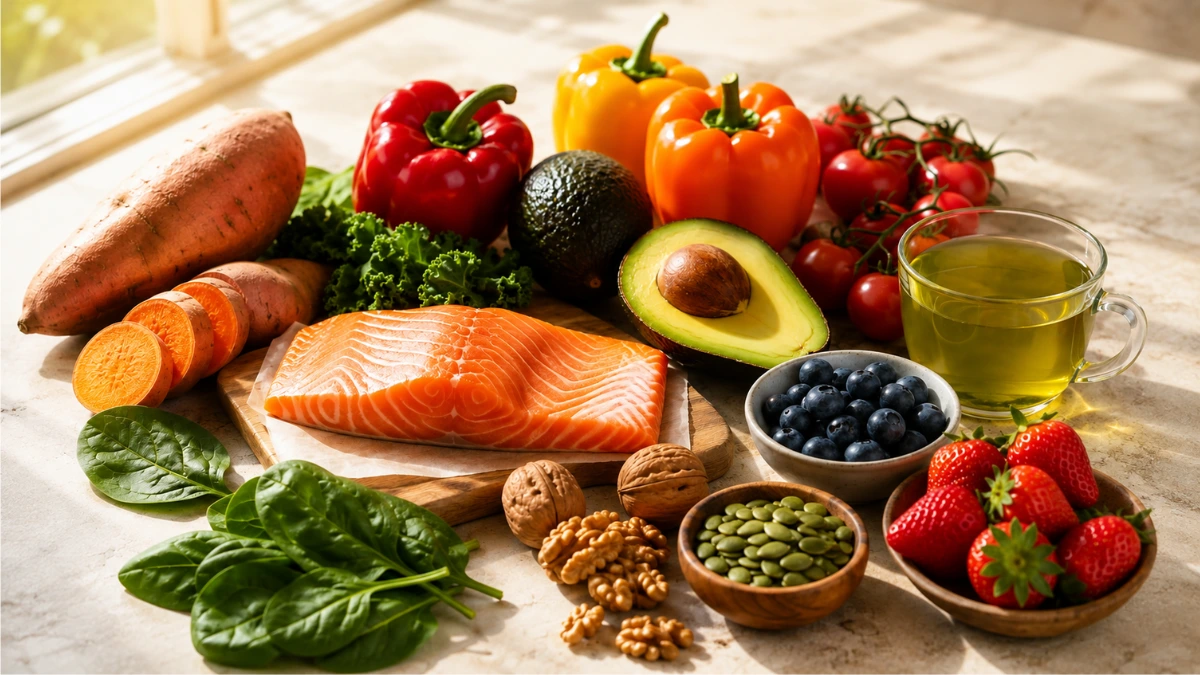
Healthy, glowing skin isn’t just about what you apply—it’s also influenced by what you eat. Your body needs nutrients such as vitamins, minerals, healthy fats, antioxidants, and protein to support the skin from within, maintain its natural barrier, and support collagen production.
No single food can cure acne, erase wrinkles, or transform your skin overnight. Healthy skin is built through consistent habits, including a nutritious diet, hydration, quality sleep, sun protection, and a suitable skincare routine. In this article, you’ll discover 10 nutrient-rich foods that support healthy skin, the key nutrients they provide, and simple ways to include them in your daily meals.
In This Article
How Does Diet Affect Skin Health?
Your skin is your body’s largest organ, and like every other organ, it depends on a steady supply of nutrients to function properly. The foods you eat provide vitamins, minerals, healthy fats, protein, and antioxidants that help maintain the skin’s natural barrier, support collagen production, promote wound healing, and protect skin cells from oxidative stress caused by factors like UV exposure and pollution. A recent review published in Nutrients highlights that nutrition plays an important role in supporting skin structure, barrier function, and protection against oxidative stress.
However, it’s important to keep expectations realistic. Healthy skin isn’t determined by diet alone. Genetics, age, hormones, sleep quality, stress levels, sun exposure, hydration, and your skincare routine all play important roles. That’s why no single “superfood” can guarantee clear or glowing skin.
Instead of looking for one miracle ingredient, focus on eating a variety of nutrient-rich foods consistently. Different nutrients perform different jobs—for example, vitamin C helps support collagen formation, vitamin E acts as an antioxidant, omega-3 fats help support the skin barrier, while zinc contributes to normal skin repair. Together, these nutrients work as part of an overall healthy lifestyle to help keep your skin looking and functioning at its best.
Key Takeaway: Healthy skin is built through consistent nutrition and healthy lifestyle habits—not by any single food or supplement.
Key Nutrients Your Skin Needs
Before exploring the best foods for healthy skin, it’s helpful to understand which nutrients support your skin and why they matter. Each nutrient has a unique role, from helping build collagen to protecting skin cells from everyday environmental stress. Instead of relying on a single “superfood,” aim to eat a balanced variety of nutrient-rich foods that work together to support healthy skin.
According to the American Academy of Dermatology (AAD), eating a balanced diet rich in fruits, vegetables, lean proteins, and healthy fats helps provide the nutrients your skin needs to function normally. While no specific food can guarantee flawless skin, consistently choosing nutrient-dense foods can support your skin’s overall health as part of a healthy lifestyle.
| Nutrient | Why It Matters for Skin | Common Food Sources |
|---|---|---|
| Vitamin C | Supports normal collagen production and helps protect skin cells from oxidative stress. | Citrus fruits, kiwi, strawberries, bell peppers, broccoli |
| Vitamin A | Supports normal skin cell growth and renewal. | Sweet potatoes, carrots, spinach, kale |
| Vitamin E | Acts as an antioxidant that helps protect skin cells. | Almonds, sunflower seeds, avocado |
| Omega-3 Fatty Acids | Help support the skin’s natural moisture barrier. | Fatty fish, walnuts, flaxseeds, chia seeds |
| Protein | Provides the building blocks needed for skin structure and repair. | Eggs, beans, lentils, Greek yogurt, lean poultry |
| Zinc | Contributes to normal skin maintenance and wound healing. | Pumpkin seeds, chickpeas, seafood, lean meat |
Research published in the journal Nutrients also highlights that vitamins such as vitamin C, along with antioxidants, healthy fats, and other essential nutrients, play important roles in maintaining normal skin structure and supporting collagen formation. Rather than focusing on a single nutrient, experts recommend eating a varied, balanced diet so your skin receives a broad range of nutrients it needs every day.
Now that you know what your skin needs, let’s explore 10 nutrient-rich foods that can support healthy, glowing skin and practical ways to include them in your daily meals.
10 Best Foods for Healthy Skin
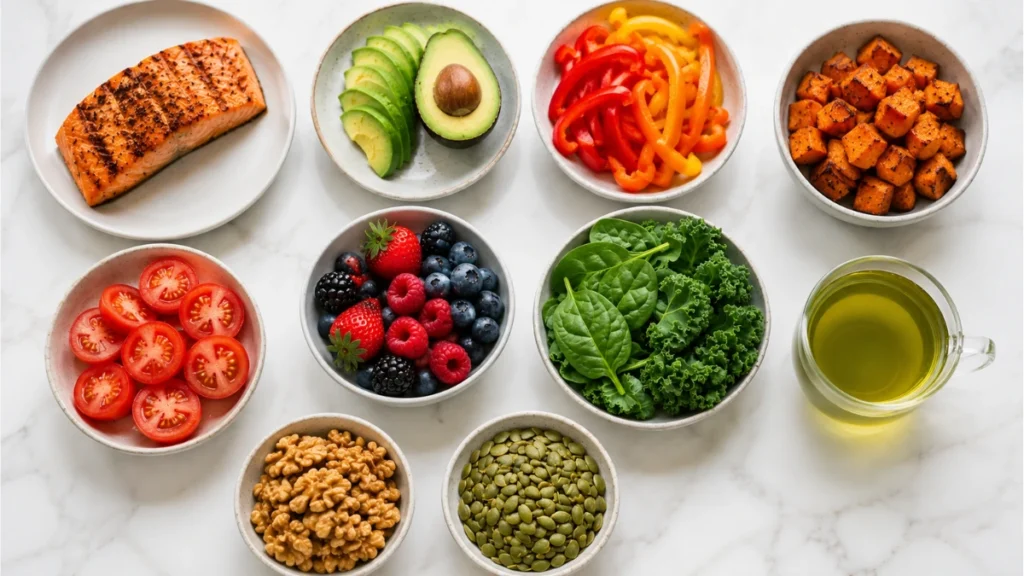
No single food can transform your skin overnight, but eating a variety of nutrient-rich foods can help provide the vitamins, minerals, healthy fats, and antioxidants your skin needs. Here are 15 foods worth adding to a balanced diet for healthy, glowing skin.
1. Fatty Fish
Fatty fish such as salmon, sardines, trout, and mackerel are among the best sources of omega-3 fatty acids. These healthy fats help support the skin’s natural moisture barrier, which plays an important role in keeping skin hydrated and comfortable. Fatty fish also provide high-quality protein for skin repair, along with vitamin D and selenium that contribute to overall skin health.
Serving Tip: Pair grilled salmon with roasted vegetables and brown rice for a balanced meal rich in protein, fiber, and healthy fats.
2. Bell Peppers
Colorful bell peppers are packed with vitamin C, an essential nutrient that supports normal collagen production. They also contain carotenoids, natural plant compounds with antioxidant properties that help protect skin cells from everyday environmental stress.
Shopping Tip: Choose peppers with smooth, shiny skin that feel firm and heavy for their size. Fresh peppers usually have the best texture and flavor.
3. Sweet Potatoes
Sweet potatoes are naturally rich in beta-carotene, which your body converts into vitamin A as needed. Vitamin A supports normal skin cell growth and renewal, while the fiber and antioxidants in sweet potatoes make them a nutritious addition to any balanced diet.
Cooking Tip: Roasting sweet potatoes with a little olive oil brings out their natural sweetness while creating a crispy outside and soft center.
4. Tomatoes
Tomatoes are one of the best dietary sources of lycopene, a natural antioxidant that gives them their bright red color. Antioxidants help protect skin cells from oxidative stress caused by factors such as sunlight and pollution. Tomatoes also provide vitamin C, which supports normal collagen production.
Cooking tomatoes with a small amount of healthy fat, such as olive oil, can help your body absorb lycopene more effectively.
Easy ways to enjoy it:
- Add fresh tomatoes to salads and sandwiches.
- Use homemade tomato sauce with whole-grain pasta.
- Roast tomatoes with herbs and olive oil.
Did You Know? Cooking tomatoes with a small amount of olive oil can improve your body’s absorption of lycopene.
5. Avocados
Avocados are rich in healthy monounsaturated fats that help support the skin’s natural barrier. They also contain vitamin E, an antioxidant that helps protect skin cells from oxidative stress, and vitamin C, which contributes to normal collagen formation.
Their creamy texture makes them an easy addition to both sweet and savory meals.
Easy ways to enjoy it:
- Spread mashed avocado on whole-grain toast.
- Add sliced avocado to salads or sandwiches.
- Blend it into smoothies for extra creaminess.
6. Berries
Blueberries, strawberries, raspberries, and blackberries are packed with vitamin C and colorful plant compounds called anthocyanins. These antioxidants help protect skin cells from oxidative stress and support overall health.
Because berries are naturally sweet and high in fiber, they make a nutritious alternative to sugary desserts while adding valuable nutrients to your diet.
Easy ways to enjoy them:
- Mix fresh berries into yogurt.
- Add them to smoothies or oatmeal.
- Enjoy them as a refreshing snack.
Storage Tip: Store berries in the refrigerator and rinse them just before eating to help keep them fresh for longer.
7. Leafy Greens
Leafy greens such as spinach and kale provide vitamins A, C, and E, along with folate and antioxidants like lutein. Together, these nutrients support normal skin function while adding fiber and essential vitamins to your daily meals.
Serving Idea: Add a handful of spinach to smoothies, omelets, soups, or pasta dishes for an easy nutrition boost.
8. Walnuts
Walnuts are unique because they provide plant-based omega-3 fatty acids along with vitamin E, zinc, and protein. These nutrients work together to support normal skin function while also contributing to your overall nutritional intake.
Compared with many other nuts, walnuts offer a particularly balanced combination of healthy fats that can easily fit into a skin-friendly eating pattern.
Easy ways to enjoy them:
- Sprinkle chopped walnuts over oatmeal or yogurt.
- Add them to salads for extra crunch.
- Enjoy a small handful as a nutritious snack.
Portion Tip: A small handful (about 28 g or 1 ounce) is usually enough to enjoy the nutritional benefits without overdoing calories.
9. Pumpkin Seeds
Pumpkin seeds are an excellent source of zinc, a mineral that contributes to normal skin maintenance and wound healing. They also provide vitamin E, healthy fats, and plant protein, making them a nutrient-dense snack.
Easy ways to enjoy it:
- Sprinkle them over salads.
- Mix them into homemade trail mix.
- Add them to oatmeal or yogurt.
10. Green Tea
Green tea contains natural plant compounds called catechins, which have antioxidant properties. Enjoying unsweetened green tea as part of a balanced diet may support overall skin health while also helping you stay hydrated throughout the day.
Healthy Swap: Replace one sugary beverage with a cup of unsweetened green tea to reduce added sugar while enjoying a refreshing drink.
Foods to Limit for Healthier Skin
Just as some foods provide nutrients that support healthy skin, others may have the opposite effect when eaten in excess. No food needs to be completely avoided, but limiting highly processed options and following a balanced diet may benefit your overall health, including your skin.
Some foods to enjoy in moderation include:
- Sugary drinks and sweets, which can contribute to excess added sugar intake.
- Highly processed snacks, such as chips, packaged cookies, and instant foods that are often high in refined ingredients.
- Deep-fried foods, which are typically high in unhealthy fats and calories.
- Refined carbohydrates, including white bread, pastries, and sugary breakfast cereals.
Research suggests that the relationship between diet and skin health is complex and varies from person to person. Rather than eliminating entire food groups, focus on eating more whole, nutrient-rich foods most of the time while enjoying treats in moderation.
Tip: A balanced eating pattern is more important than avoiding one specific food.
Hydration and Skin Health
While nutritious foods provide the building blocks for healthy skin, staying hydrated is equally important. Water helps support many essential body functions, including maintaining normal skin hydration. Although drinking more water isn’t a cure for dry skin or other skin concerns, staying well hydrated supports your overall health and helps your body function properly.
You don’t have to rely only on plain water. Water-rich foods such as cucumbers, watermelon, oranges, tomatoes, and leafy greens can also contribute to your daily fluid intake. Unsweetened herbal teas and other low-sugar beverages are good options too.
Tip: Aim to drink enough fluids throughout the day, and increase your intake during hot weather or after physical activity.
Frequently Asked Questions (FAQs)
1. Which vitamin is most important for healthy skin?
There isn’t one single “best” vitamin for skin health. Vitamin C supports normal collagen production, vitamin A helps with skin cell renewal, and vitamin E acts as an antioxidant. Eating a variety of nutrient-rich foods is the best way to get these essential nutrients.
2. Can food make your skin glow?
A balanced diet rich in fruits, vegetables, healthy fats, and quality protein can support healthy-looking skin over time. However, no single food can make your skin glow overnight. Consistent nutrition, hydration, sleep, sun protection, and a good skincare routine all work together.
3. Are there foods that may worsen skin problems?
Some research suggests that diets high in added sugars and highly processed foods may be associated with certain skin concerns in some people. However, everyone’s skin responds differently, so it’s best to focus on an overall balanced eating pattern instead of eliminating specific foods without medical advice.
4. How long does it take to see results from a healthy diet?
Healthy skin doesn’t change overnight. While the timeline varies from person to person, consistent healthy eating and lifestyle habits over weeks to months are more likely to support long-term skin health than quick fixes.
Final Thoughts
Healthy, glowing skin starts with consistent daily habits—not a single “superfood.” By including nutrient-rich foods like fatty fish, avocados, berries, leafy greens, and pumpkin seeds, you can provide your body with the vitamins, minerals, healthy fats, and antioxidants it needs to support normal skin function.
Remember, nutrition is just one part of the bigger picture. Pair a balanced diet with proper hydration, quality sleep, regular physical activity, sun protection, and a suitable skincare routine for the best long-term results. Small, sustainable changes are often more effective than restrictive diets or miracle products, and your skin will thank you over time.
You May Also Like
Leafy Green Vegetables: Benefits, Nutrition, and 7 Healthy Greens to Add to Your Diet
18 Highest Protein Foods to Add to Your Daily Diet (With Protein Amounts)
Drinking Lemon Water Every Day: A Simple Habit with Surprising Benefits
