
Quick Guide
Avocado benefits include healthy fats, dietary fiber, potassium, and other important nutrients that support overall health. While no single food can transform your health, avocado can be a nutritious addition to a balanced diet and active lifestyle.
If you’ve ever searched for healthy foods, chances are you’ve come across avocado. From breakfast toast to colorful salads, this creamy green fruit has become a favorite among health-conscious eaters around the world.
But is avocado really as healthy as people say, or is it simply another food trend? The good news is that its popularity is supported by a strong nutritional profile. Avocados provide healthy fats, fiber, vitamins, and minerals that can support overall health when enjoyed as part of a balanced diet.
When I first started learning about nutrition, I assumed avocado was popular simply because of food trends. But after researching its nutritional profile, I understood why it continues to appear in healthy eating recommendations.
Avocados provide healthy fats, fiber, vitamins, and minerals that can support overall wellness when included as part of a balanced diet.
In this guide, we’ll explore what avocado is, its benefits, how to eat it, and practical tips for adding it to your meals.
Table of Contents
What Is Avocado?
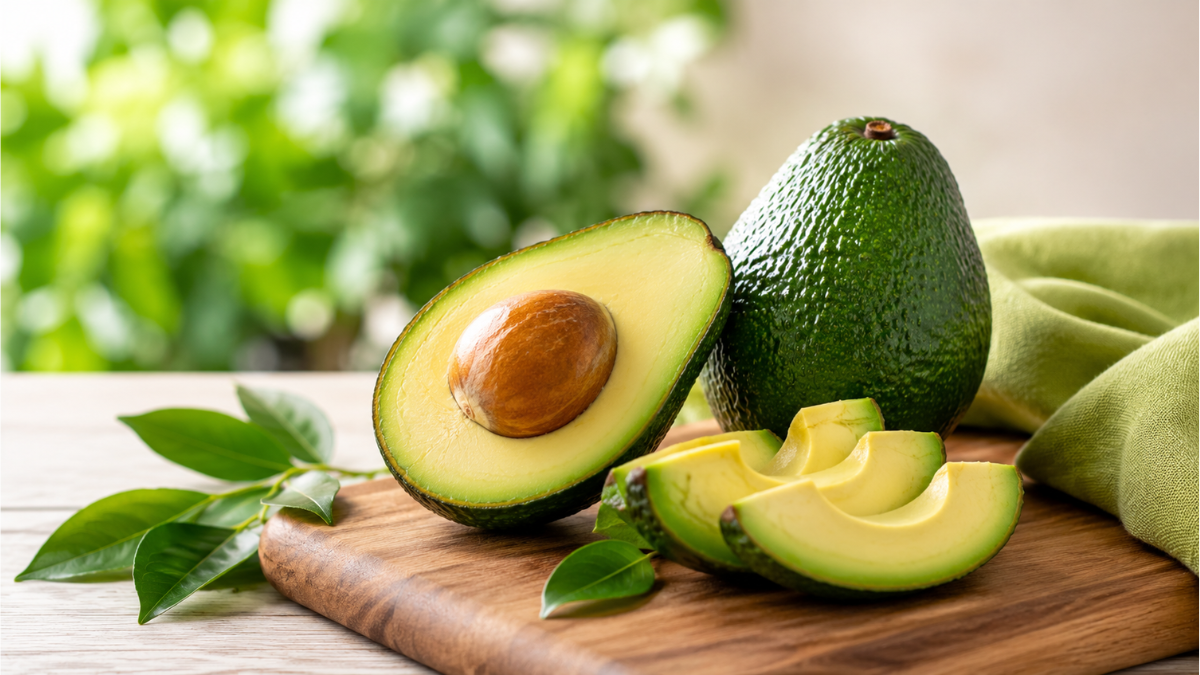
Avocado is a fruit that grows on avocado trees and is known for its creamy texture and mild flavor.
Unlike many fruits, avocado contains a higher amount of healthy fats rather than natural sugars. This makes it unique and one reason why it is often included in balanced eating plans.
Its versatility also makes it easy to enjoy in different meals throughout the day.
Why Do People Eat Avocado?
People often choose avocado because they want:
- More healthy fats in their diet
- Better nutrition from whole foods
- More fiber intake
- Filling and satisfying meals
- Heart-friendly food choices
- Easy healthy meal additions
- Creamy texture that can replace butter or mayonnaise in some recipes
- Naturally low in added sugar and suitable for many balanced eating patterns
Many people also enjoy avocado because it pairs well with both simple and nutritious recipes.
Top Benefits of Avocado
1. Rich in Healthy Fats
Avocado contains mostly monounsaturated fats, which are considered heart-friendly fats.
These healthy fats can be part of a balanced eating pattern and may help make meals more satisfying.
2. Provides Dietary Fiber
Fiber is important for digestive health and overall wellness.
Avocados naturally contain fiber, which can support regular digestion and help you feel fuller after meals.
Fiber also supports a healthy gut microbiome and contributes to normal bowel function.
3. Contains Important Vitamins and Minerals
Avocados provide nutrients such as:
- Potassium
- Vitamin K
- Folate
- Vitamin E
- Vitamin C
These nutrients play various roles in supporting normal body functions.
4. May Support Heart Health
Research often highlights avocado as part of heart-conscious dietary patterns because of its healthy fat content and nutrient profile.
Studies suggest that replacing foods high in saturated fat with foods rich in unsaturated fats may support cardiovascular health as part of an overall healthy eating pattern.
Of course, overall diet quality matters more than any single food.
5. Can Help Keep You Satisfied
Because avocado contains both healthy fats and fiber, many people find it more filling than highly processed snack foods.
This can make it easier to maintain balanced eating habits throughout the day.
6. Easy to Include in Daily Meals
One of avocado’s biggest advantages is convenience.
It can be added to:
- Toast
- Salads
- Smoothies
- Sandwiches
- Wraps
- Grain bowls
Small additions can improve both flavor and nutrition.
7. May Help the Body Absorb Certain Nutrients
Fat-soluble vitamins such as vitamins A, D, E, and K are absorbed more effectively when eaten with dietary fat. Because avocado naturally contains healthy fats, adding small amounts to salads or vegetables may help improve the absorption of some nutrients from the meal.
How to Eat Avocado
Here are some easy ways to enjoy avocado:
Method 1: Avocado Toast
- Toast whole-grain bread.
- Mash ripe avocado.
- Spread evenly.
- Add tomato or herbs if desired.
Method 2: Add to Salads
- Slice avocado.
- Mix with vegetables.
- Add your favorite dressing.
Method 3: Smoothies
- Add avocado to smoothies for a creamy texture.
Method 4: As a Healthy Dip
Mash avocado with lemon juice, herbs, and a pinch of salt for a simple homemade dip to enjoy with vegetables or whole-grain crackers.
Helpful Tips
- Pair avocado with vegetables.
- Include it as part of balanced meals.
- Choose ripe avocados.
- Store properly after cutting.
- Focus on consistency rather than perfection.
- Sprinkle avocado with lemon or lime juice after cutting to help slow browning.
Best Time to Eat Avocado
There is no single best time to eat avocado. You can enjoy it at breakfast, in salads, as a snack, or with meals—whenever it fits your eating routine.
Common Mistakes
- Eating very large portions regularly
- Ignoring overall diet quality
- Using unripe avocados
Remember, healthy eating is about balance.
Who Should Be Careful?
Avocado is safe for most people.
However, some individuals may need to monitor intake if they:
- Have specific dietary restrictions
- Need to manage calorie intake carefully
- Have allergies related to avocado
- People taking blood-thinning medications should keep their vitamin K intake consistent and discuss major dietary changes with their healthcare provider.
Consult a healthcare professional if you have concerns.
My Personal Experience
When I first started paying more attention to nutrition, avocado seemed like an expensive trend.
But after trying it in simple meals, I realized why people enjoy it so much.
What I appreciate most is that it makes healthy meals feel more satisfying without requiring complicated recipes. A small amount can add creaminess, flavor, and nutrition to everyday foods.
For me, avocado works best as part of balanced meals rather than as a “superfood” solution.
Frequently Asked Questions
Can you eat avocado every day?
For many healthy adults, moderate daily intake can fit into a balanced diet, though portion size should match individual calorie needs.
Can avocado help with weight management?
Its fiber and healthy fats may help increase fullness, but overall lifestyle habits matter most.
How do I know if an avocado is ripe?
A ripe avocado usually feels slightly soft when gently pressed.
Is avocado good for cholesterol?
Replacing foods high in saturated fat with avocado as part of a healthy eating pattern may support healthy cholesterol levels.
Can people with diabetes eat avocado?
Because avocado is low in sugar and provides fiber and healthy fats, it can fit into many diabetes-friendly meal plans. Individual advice should come from a healthcare professional.
Final Thoughts
Avocado is a nutrient-rich fruit that provides healthy fats, fiber, and important vitamins and minerals.
While it isn’t a miracle food, it can be a valuable addition to a balanced eating pattern and healthy lifestyle. The key is to enjoy it as part of a variety of nutritious foods rather than relying on any single ingredient for health benefits.
No single food can guarantee good health, but making nutritious choices like including avocado alongside plenty of fruits, vegetables, whole grains, and regular physical activity can contribute to long-term well-bein
You May Also Like
Sources & References
- USDA FoodData Central → Avocado nutrition page
- Harvard Nutrition Source → Healthy Fats page
- American Heart Association → Healthy Eating
- NIH Office of Dietary Supplements → Vitamins & Minerals
