
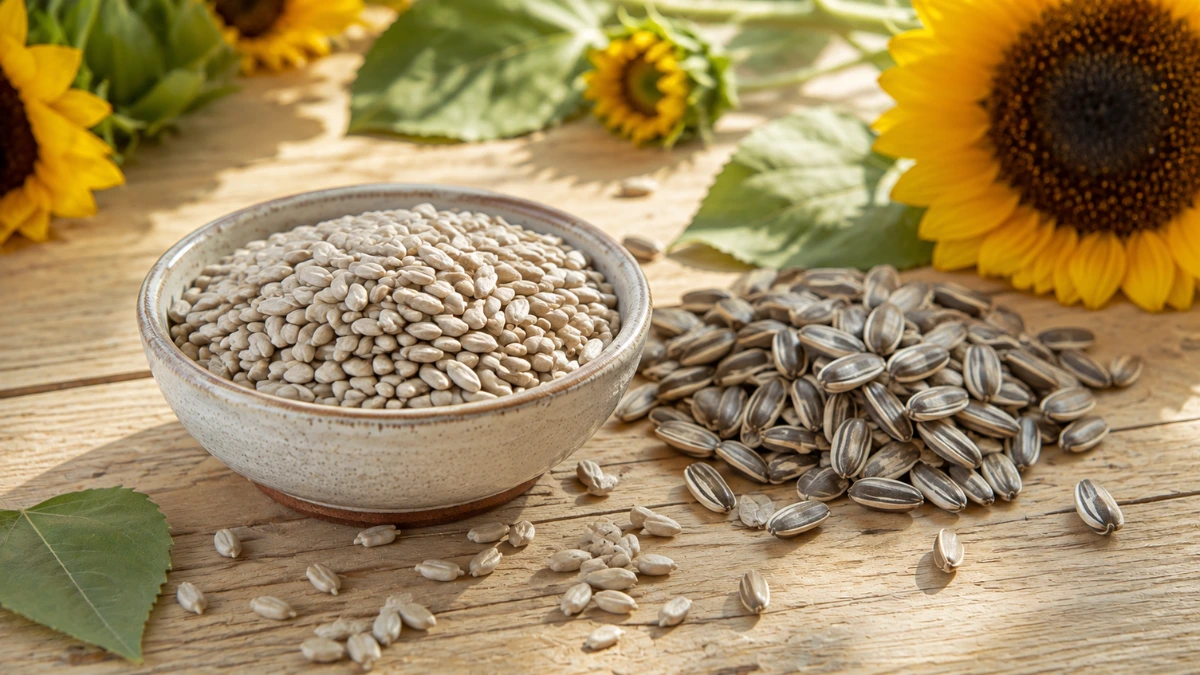
Wondering how to eat sunflower seeds beyond simply snacking on them by the handful? These small seeds are surprisingly versatile and can be added to breakfasts, snacks, salads, smoothies, and savory dishes. But what’s the best way to eat sunflower seeds? Should you choose raw or roasted, shelled or unshelled, and how much should you eat?
In this guide, you’ll discover 9 healthy ways to eat sunflower seeds, from simple snacking to adding them to everyday meals. You’ll also learn how to eat sunflower seeds in the shell, whether raw or roasted is better, how much to have, and which common mistakes to avoid.
How to Eat Sunflower Seeds?
For most people, a simple healthy choice is plain, unsalted sunflower seed kernels, eaten raw or dry-roasted. Both forms can fit into a balanced diet, so you don’t need to avoid one simply because it’s raw or roasted.
The bigger consideration is what has been added. When buying packaged seeds, look for options with little or no added salt, sugar, or heavily flavored coatings. Since sunflower seeds are energy-dense, a modest portion is usually enough.
Quick takeaway: Choose plain or minimally processed seeds and enjoy them as part of varied meals and snacks.
9 Healthy Ways to Eat Sunflower Seeds
Sunflower seeds have a mild, nutty flavor and crunchy texture, making them easy to add to everyday foods. You can use them in both sweet and savory dishes instead of treating them as just a snack.
1. Eat Them Raw as a Simple Snack
Shelled sunflower seed kernels can be eaten straight from the packet when you want a quick, no-preparation snack. Choose plain or unsalted kernels when possible.
For a more satisfying snack, pair a small portion with fruit or another whole food rather than eating a large amount of seeds by themselves.
2. Try Dry-Roasted Sunflower Seeds
Dry roasting gives sunflower seeds a deeper flavor and crunch without requiring added oil. You can buy plain dry-roasted kernels or lightly toast raw seeds at home.
If you’re seasoning them yourself, try spices such as paprika, black pepper, garlic powder, cinnamon, or dried herbs instead of relying on lots of salt.
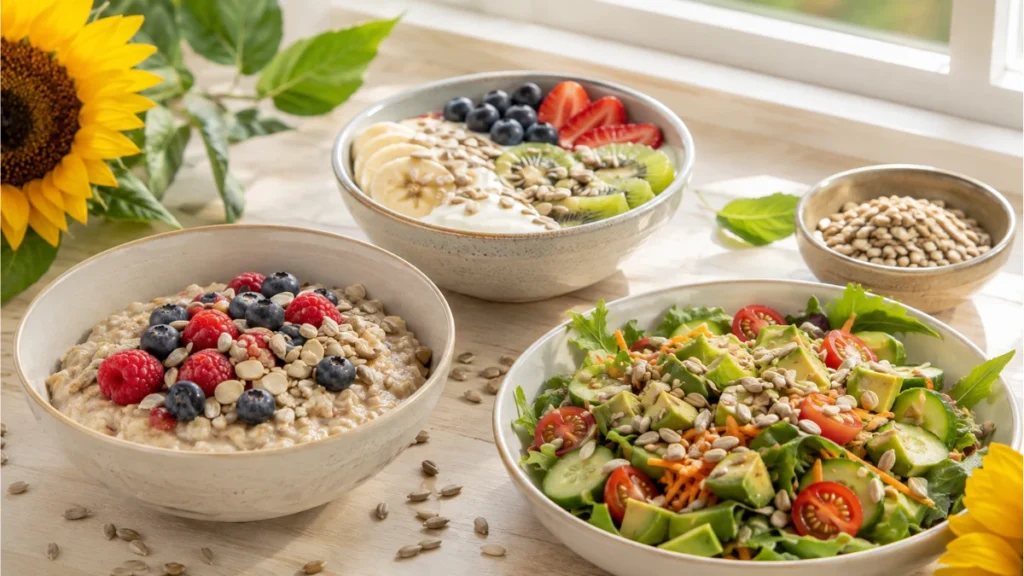
3. Sprinkle Them Over Oatmeal or Overnight Oats
A spoonful of sunflower seeds can add crunch to oatmeal or overnight oats, especially alongside softer ingredients such as banana, berries, or yogurt.
Add them just before eating if you want to keep their texture crisp. You can also combine them with other nuts or seeds for more variety.
4. Add Them to Yogurt and Fruit
For an easy breakfast or snack, top plain yogurt with sunflower seeds and fresh fruit such as berries, banana, or apple.
The creamy yogurt, juicy fruit, and crunchy seeds create different textures in one bowl. If you use flavored yogurt, check the label for added sugar.
5. Toss Them Into Salads
Sunflower seeds can give green salads, grain bowls, and roasted-vegetable salads an easy crunch.
Try them with leafy greens, cucumber, tomatoes, carrots, chickpeas, or roasted vegetables. Add the seeds shortly before serving so they don’t become soft from the dressing.
6. Blend Them Into Smoothies
A small amount of shelled sunflower seeds can be blended with banana, berries, oats, and your choice of milk or milk alternative.
This is useful if you don’t particularly enjoy eating seeds whole. Start with a modest amount because sunflower seeds can make a smoothie thicker and slightly nutty in flavor.
7. Make Homemade Sunflower Seed Butter
For something less common, turn roasted sunflower seeds into homemade seed butter. Blend plain roasted kernels until they become smooth and creamy as their natural oils are released.
Spread it on whole-grain toast, pair it with apple slices, or stir a little into oatmeal. Making it yourself also lets you control how much salt or sweetener is added.
8. Add Them to Homemade Granola or Energy Bites
Sunflower seeds work well in homemade granola, energy bites, and snack mixes. Combine them with oats, dried fruit, nut or seed butter, and spices to create a simple homemade snack.
Making these foods yourself lets you control added sugar and salt. Keep portions sensible, though, since ingredients such as dried fruit, seed butter, and sunflower seeds can make a snack energy-dense.
9. Use Them in Savory Homemade Recipes
Sunflower seeds can be more than a salad topping. Try adding crushed or whole kernels to homemade chilla, vegetable patties, grain bowls, wraps, or whole-grain bread.
You can also lightly crush roasted sunflower seeds and use them as a crunchy topping for roasted vegetables or other savory dishes. This makes them easy to include as part of a meal rather than always eating them separately.
Raw vs. Roasted Sunflower Seeds: Which Is Healthier?
Both raw and roasted sunflower seeds can be healthy choices. The bigger difference often comes from how the seeds are prepared and what is added to them. Harvard Health also highlights roasted, unsalted sunflower seeds as a nutritious way to enjoy them.
Raw Sunflower Seeds
Raw sunflower seed kernels have a mild flavor and work well in foods where you want their natural taste, such as oatmeal, yogurt, smoothies, and salads. Choose food-grade seeds that are fresh and properly stored.
Roasted Sunflower Seeds
Roasting gives sunflower seeds a deeper flavor and crunch, making them especially good as a snack or topping. Dry-roasted seeds are a simple option because they can be prepared without added oil.
When buying packaged roasted seeds, check the ingredient list. Some varieties contain added salt, oil, sugar, or flavorings.
So, Which Should You Choose?
You don’t have to choose raw over roasted based on the assumption that one is automatically healthier. Plain raw and dry-roasted sunflower seeds can both fit into a balanced diet. When comparing packaged products, pay more attention to added sodium, oils, and other ingredients than simply whether the seeds are roasted.
For everyday use, choose the form you enjoy and can eat in a sensible portion.
Should You Soak Sunflower Seeds Before Eating?
No, soaking sunflower seeds is not necessary for most people. Shelled sunflower seed kernels can be eaten raw or roasted without soaking.
Some research has found that soaking sunflower seeds can reduce their phytic acid content, but this does not establish that soaking improves nutrient absorption or provides a meaningful health advantage for people.
If you prefer soaked sunflower seeds because of their texture or for a particular recipe, you can use them that way. Otherwise, there is no need to soak them before eating.
How Much Sunflower Seeds Should You Eat a Day?
There’s no single daily amount of sunflower seeds that everyone needs, but about 1 ounce (28 grams), or a small handful, is a commonly used serving size for sunflower seed kernels. This provides nutrients such as protein, fiber, and vitamin E while also adding a meaningful amount of calories. USDA FoodData Central provides detailed nutrition data for sunflower seed kernels.
You may naturally use less when adding seeds to other foods. One to two tablespoons can be enough for oatmeal, yogurt, salads, or smoothies, while a small handful can work as a snack. The right portion depends on your overall diet, energy needs, and what else you’re eating that day, so think of sunflower seeds as a nutrient-dense addition rather than something you need to eat in large quantities.
Shelled vs. Unshelled Sunflower Seeds: Which Should You Eat?
The main difference between shelled and unshelled sunflower seeds is whether the edible kernel is already separated from the outer hull. Shelled sunflower seeds are ready to eat, while unshelled seeds need to be cracked open before you can eat the kernel.
Shelled Sunflower Seeds
Shelled seeds contain the edible kernel without the outer hull, so you can eat them directly or add them to oatmeal, yogurt, salads, smoothies, granola, and homemade sunflower seed butter. They’re usually the easiest choice when you want to use sunflower seeds as an ingredient.
Unshelled Sunflower Seeds
Unshelled seeds still have their tough outer hull. To eat them, place the seed between your front teeth, gently crack the hull, remove the edible kernel, and spit out or discard the shell.
The hull isn’t meant to be eaten. Swallowing sunflower seed shells can be difficult for the digestive system and may cause problems, particularly when consumed in larger amounts, according to Cleveland Clinic.
Quick takeaway: Shelled seeds are ready to eat, while unshelled seeds require you to crack and discard the hull before eating the kernel.
Common Mistakes When Eating Sunflower Seeds
Sunflower seeds are easy to overeat or pair with ingredients that add a lot of salt or sugar. A few simple choices can help you enjoy them without turning a small serving into a much heavier snack.
1. Choosing Heavily Salted Varieties
Some packaged sunflower seeds contain a lot of added sodium. If you eat them regularly, unsalted or lightly salted varieties make it easier to control your overall salt intake.
2. Eating More Than You Realize
Sunflower seeds are small and easy to snack on by the handful, but they are also energy-dense. Instead of eating directly from the bag, portion some into a bowl so you can keep track of how much you’re having.
3. Overloading Homemade Snacks With Extras
Sunflower seeds can be part of homemade granola, energy bites, and snack mixes, but adding large amounts of sugar, syrup, chocolate, or salty ingredients can make the finished snack much more energy-dense. Keep the other ingredients balanced and pay attention to portion size.
4. Eating the Shells
The outer hull is tough and isn’t meant to be eaten. If you’re using unshelled sunflower seeds, crack the hull, eat the kernel, and discard the shell.
The takeaway: Choose plain or lightly seasoned seeds, keep portions reasonable, and pay attention to added salt and sugar in packaged or homemade combinations.
How to Choose Sunflower Seeds
You don’t need a complicated checklist to choose sunflower seeds. The ingredient list and nutrition label tell you most of what you need to know.
What to Look For
- Little or no added salt: Especially useful if you’re eating them regularly.
- Short ingredient list: Plain seeds are an easy option when you want to avoid unnecessary flavorings, sweeteners, or added oils.
- Raw or dry-roasted: Either can work; choose according to your preferred taste and texture.
- Freshness: Sunflower seeds contain oils that can become rancid over time. Avoid seeds with an unpleasant smell or stale, bitter taste.
For packaged products, don’t rely only on front-of-pack claims. Compare the serving size, sodium, ingredients, and storage instructions on the label.
For everyday use, plain sunflower seed kernels are a versatile option for breakfast bowls, salads, smoothies, and homemade snacks.
Frequently Asked Questions
Can You Eat Sunflower Seeds Raw?
Yes. Shelled sunflower seed kernels can be eaten raw and added to foods such as oatmeal, yogurt, salads, smoothies, or snacks. Choose food-grade seeds that are fresh and properly stored.
Is It Better to Eat Sunflower Seeds Raw or Roasted?
Both can fit into a balanced diet. Raw seeds have a milder flavor, while roasting gives them a deeper flavor and crunch. With packaged roasted seeds, check the label for added salt, oil, and flavorings.
How Many Sunflower Seeds Should You Eat a Day?
There is no universal daily requirement for sunflower seeds. About 1 ounce (28 grams) is a commonly used serving, although you may need less when using them as a topping or ingredient.
Can I Eat Sunflower Seeds Every Day?
Yes, sunflower seeds can be included regularly as part of a varied diet. The main considerations are portion size and variety rather than needing to eat them every day.
Should Sunflower Seeds Be Soaked Before Eating?
No. Soaking is not necessary for most people. Shelled sunflower seeds can be eaten raw or roasted without soaking. If you prefer soaked seeds for a particular recipe or texture, that’s a personal preference rather than a requirement.
Are sunflower seeds good for weight loss?
Sunflower seeds can be included in a weight-management diet, but they aren’t a weight-loss food on their own. They provide protein, fiber, and fat, while their calorie density means portion size still matters.
Can You Eat Sunflower Seed Shells?
It’s best not to eat the shells. The outer hull is tough and can be difficult to digest. If you’re eating unshelled seeds, crack the hull, eat the kernel, and discard the shell.
Final Thoughts
Knowing how to eat sunflower seeds can make this small seed much more versatile. Whether you sprinkle them over breakfast, add them to yogurt or salads, blend them into a smoothie, turn them into seed butter, or use them in savory dishes, there are plenty of simple ways to enjoy them.
Choose the form you prefer, crack and discard the hull if using unshelled seeds, and keep portions sensible. With a few simple additions, sunflower seeds can easily fit into a variety of everyday meals and snacks.
