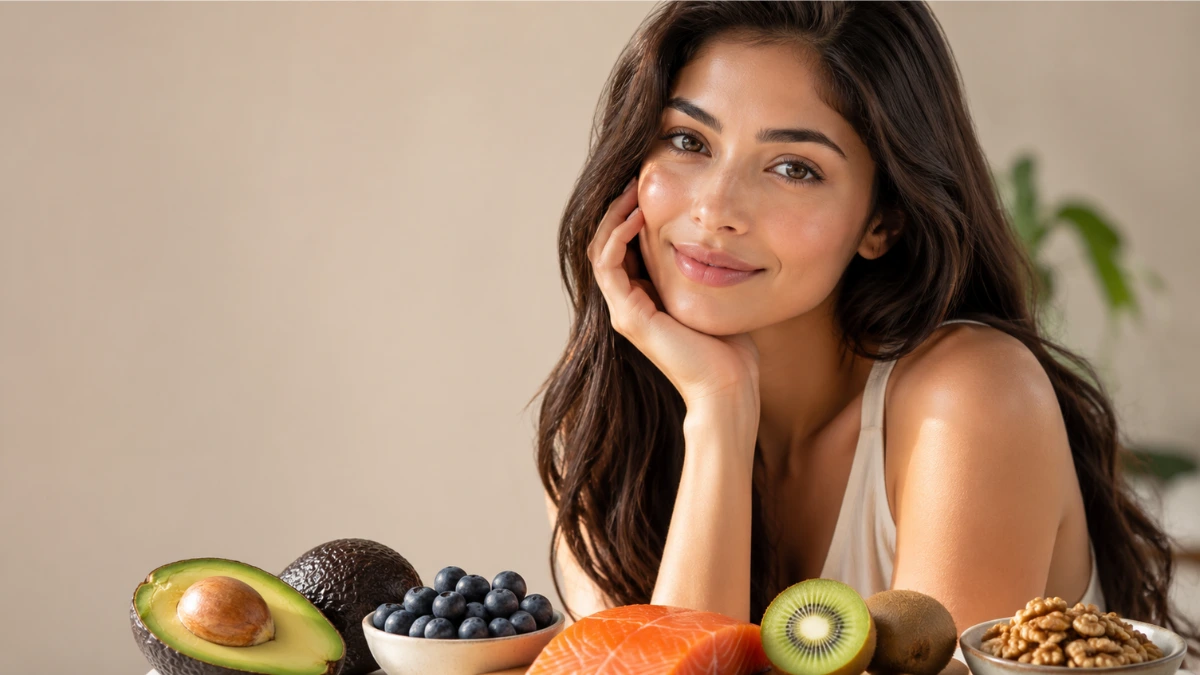
Healthy, strong hair starts with more than just the products you use on your scalp. Your hair follicles need a steady supply of protein, iron, zinc, vitamins, and other nutrients to support normal hair growth and maintenance. When the body doesn’t get enough of certain nutrients—particularly protein, iron, or zinc—hair loss can occur.
That’s why your everyday diet matters. Instead of searching for a single “miracle” food for faster hair growth, focus on eating a variety of nutrient-rich foods that help meet your body’s nutritional needs.
In this guide, we’ll explore 12 of the best foods for hair growth, the key nutrients they provide, how those nutrients support healthy hair, and simple ways to include them in your daily meals.
In This Article
Can Food Really Help With Hair Growth?
Yes—but it’s important to understand what nutrition can and cannot do.
Your hair follicles are highly active tissues that depend on adequate energy, protein, vitamins, and minerals. When your diet lacks certain nutrients, normal hair growth can be disrupted and hair loss may occur. The American Academy of Dermatology identifies inadequate protein, iron, zinc, or biotin as possible nutritional contributors to noticeable hair loss.
Nutrition also matters beyond individual nutrients. A recent systematic review of 17 studies involving 61,332 participants found that vitamin D and iron were among the most studied nutritional factors, with higher levels associated with lower rates of alopecia. However, the researchers emphasized that the evidence is still developing and does not establish nutrition as the sole cause or solution for hair loss.
So, rather than relying on one “hair-growth food,” focus on a varied, nutrient-rich diet that consistently provides the nutrients your hair follicles need.
12 Best Foods for Hair Growth
The best foods for hair growth don’t have to be exotic “superfoods.” What matters most is whether your overall diet consistently provides the nutrients your hair follicles need.
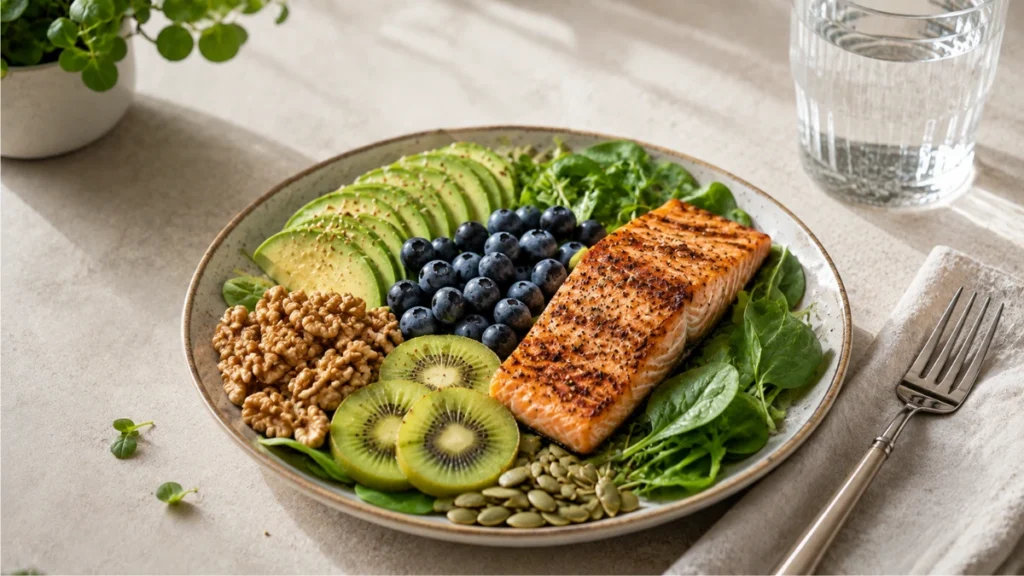
Here are 12 nutrient-rich foods that can help support normal hair growth and maintain healthy hair.
1. Eggs
Eggs are an easy source of high-quality protein, along with nutrients such as biotin, vitamin B12, and selenium.
Protein provides amino acids that the body uses to make keratin, the structural protein that gives hair its strength. Biotin is also involved in normal nutrient metabolism, but biotin deficiency is rare, and extra biotin has not been shown to improve hair growth in people who already get enough.
Try: 1–2 eggs as part of breakfast, such as boiled eggs, an omelet, or egg bhurji.
Evidence: The strongest evidence supports getting adequate protein and essential nutrients for healthy hair, rather than eggs themselves directly increasing hair growth. The American Academy of Dermatology lists inadequate protein and biotin among nutritional factors that may contribute to noticeable hair loss.
2. Fatty Fish
Fatty fish such as salmon, sardines, and mackerel provide high-quality protein, omega-3 fatty acids, vitamin D, vitamin B12, and selenium. Protein supplies amino acids needed for keratin production, while vitamin D is involved in several important cellular processes. Fatty fish are also among the best natural food sources of vitamin D. NIH Office of Dietary Supplements
Try: Aim for about 3–4 oz (85–115 g) cooked, served with vegetables, rice, roti, or in a salad.
Evidence: Strong for nutrient contribution; limited for direct hair-growth effects. The value of fatty fish comes from its combination of protein, vitamin D, B12, selenium, and omega-3s—not from evidence that eating fish itself directly increases hair growth.
3. Spinach & Leafy Greens
Spinach and other dark leafy greens provide iron, folate, vitamin C, and carotenoids. Iron helps your body make hemoglobin, which carries oxygen throughout the body, while folate is needed for DNA production and cell division. Spinach also provides plant-based iron, although its iron is less readily absorbed than heme iron from animal foods. NIH Office of Dietary Supplements
Try: Add ½–1 cup cooked spinach to dal, sabzi, omelets, soups, or grain bowls. Pairing plant-based iron sources with vitamin-C-rich foods can improve the absorption of nonheme iron.
Evidence: Strong for nutrient contribution; particularly relevant when iron intake is inadequate. Low iron status has been associated with several forms of hair loss, but eating spinach alone does not guarantee increased hair growth.
4. Lentils & Dal
Lentils and dal provide plant-based protein, iron, folate, and zinc. Protein supplies amino acids needed for keratin production, while iron and zinc are involved in essential cellular processes. Lentils are also a useful plant source of iron, especially in vegetarian diets. NIH Office of Dietary Supplements
Try: Aim for about ½–1 cup cooked dal with lunch or dinner. Pair it with vitamin-C-rich foods such as tomatoes, lemon, or bell peppers to help improve the absorption of its plant-based iron.
Evidence: Strong for nutrient contribution; particularly relevant when protein or iron intake is inadequate. Eating dal does not guarantee faster hair growth, but it can help provide nutrients needed for normal hair health.
5. Greek Yogurt & Plain Curd
Greek yogurt and plain curd provide protein, vitamin B12, and zinc. Zinc is involved in protein synthesis, cell division, and other essential cellular processes, while dairy foods are useful sources of vitamin B12. NIH Office of Dietary Supplements
Try: Have about 150–200 g with breakfast, fruit, oats, or as raita alongside a meal.
Evidence: Strong for nutrient contribution; limited for direct hair-growth effects. Its main value is helping provide protein and essential micronutrients that support normal hair health.
6. Pumpkin Seeds
Pumpkin seeds provide zinc, protein, iron, and magnesium. Zinc is involved in protein synthesis, DNA synthesis, and cell division, making adequate intake important for tissues with active cell turnover. Zinc deficiency can also be associated with hair loss. NIH Office of Dietary Supplements
Try: Add about 1 oz (28 g) of roasted pumpkin seeds to oats, yogurt, salads, or enjoy them as a snack.
Evidence: Strong for nutrient contribution; particularly relevant when zinc intake is inadequate. Pumpkin seeds can help provide nutrients that support normal hair health, but they have not been proven to directly increase hair growth.
7. Walnuts
Walnuts provide ALA omega-3 fatty acids, protein, copper, and other micronutrients. ALA (alpha-linolenic acid) is an essential plant-based omega-3 fatty acid that the body needs to obtain from the diet. Walnuts are also a useful source of healthy unsaturated fats. NIH Office of Dietary Supplements
Try: Have about 1 oz (28 g), roughly a small handful, as a snack or add chopped walnuts to oats, yogurt, salads, or smoothies.
Evidence: Moderate for nutrient contribution; limited for direct hair-growth effects. Walnuts can contribute to a nutrient-rich diet, but they have not been proven to directly increase hair growth or thickness.
8. Guava & Kiwi
Guava and kiwi are rich in vitamin C, which acts as an antioxidant, supports collagen production, and helps the body absorb iron from plant-based foods. This makes vitamin-C-rich fruits a useful addition to meals containing plant sources of iron. NIH Office of Dietary Supplements
Try: Have 1 guava or 1–2 kiwis as a snack, or add them to breakfast with oats or yogurt.
Evidence: Strong for vitamin C’s nutritional role and iron absorption; indirect for hair health. These fruits can support overall nutrient intake, but they have not been proven to directly increase hair growth.
9. Sweet Potato
Sweet potatoes are rich in beta-carotene, a provitamin A carotenoid that the body can convert into vitamin A. Vitamin A supports normal cell growth and differentiation, making it important for maintaining healthy tissues. NIH Office of Dietary Supplements
Try: Enjoy 1 medium baked or boiled sweet potato as a snack, or add it to grain bowls, salads, or meals.
Evidence: Strong for nutrient contribution; limited for direct hair-growth effects. Adequate vitamin A is important for normal body function, but taking high-dose vitamin A supplements is not a shortcut to healthier hair. Excess preformed vitamin A can be harmful, while beta-carotene from foods such as sweet potatoes is regulated differently by the body.
10. Tofu & Soy Foods
Tofu and other soy foods provide plant-based protein, iron, zinc, and folate. These nutrients contribute to normal cellular functions and help meet overall nutritional needs. Tofu can also be a useful plant source of iron, making soy foods a practical option in vegetarian diets. NIH Office of Dietary Supplements
Try: Add about ½ cup tofu to stir-fries, curries, salads, or sandwiches. Tempeh, edamame, and cooked soybeans are other options.
Evidence: Strong for nutrient contribution; limited for direct hair-growth effects. Soy foods can help meet nutritional needs that support normal hair health, but they are not proven hair-growth treatments.
11. Oats & Whole Grains
Oats and other whole grains provide zinc, iron, selenium, B vitamins, and fiber. Zinc supports protein synthesis and cell division, while selenium plays important roles in antioxidant defense and normal thyroid hormone metabolism. NIH Office of Dietary Supplements
Try: Have ½–1 cup cooked oats for breakfast, or include whole grains such as brown rice, whole-wheat roti, or barley in your meals.
Evidence: Strong for nutrient contribution; limited for direct hair-growth effects. Whole grains can help provide several nutrients involved in normal body function, but they are not proven to directly increase hair growth.
12. Avocado
Avocado provides vitamin E, folate, and healthy unsaturated fats. Vitamin E acts as an antioxidant, while folate is needed for DNA production and cell division. NIH Office of Dietary Supplements — Folate NIH Office of Dietary Supplements — Vitamin E
Try: Add ½ avocado to toast, salads, wraps, grain bowls, or enjoy it with breakfast.
Evidence: Moderate for nutrient contribution; limited for direct hair-growth effects. Avocado can be part of a nutrient-rich diet, but it has not been proven to directly increase hair growth or thickness.
Key Nutrients Your Hair Needs
Different foods provide different nutrients, but several are especially relevant to maintaining healthy hair.
Protein
Hair is primarily made of keratin, a protein. Getting enough dietary protein provides the amino acids your body needs to maintain hair structure and support normal growth.
Iron
Iron helps transport oxygen throughout the body. Inadequate iron intake or low iron status has been associated with hair loss, making adequate iron intake particularly important for people who may not get enough from their diet.
Zinc
Zinc supports DNA and protein synthesis, cell division, and other essential cellular processes. Zinc deficiency can contribute to hair loss, so regularly including zinc-rich foods can help meet nutritional needs. NIH Office of Dietary Supplements — Zinc
Biotin
Biotin is a B vitamin involved in the metabolism of carbohydrates, fats, and proteins. Biotin deficiency can cause hair thinning or hair loss, but deficiency is rare, and there is little evidence that biotin supplements improve hair growth when intake is already adequate. NIH Office of Dietary Supplements — Biotin
Vitamin D
Vitamin D is involved in several biological processes, including cell growth and immune function. Research has found associations between vitamin D status and some forms of hair loss, but this does not mean that taking extra vitamin D will automatically improve hair growth.
Vitamins A, C & E
These vitamins support different aspects of normal body function. Vitamin A helps maintain healthy tissues, vitamin C supports collagen formation and improves absorption of plant-based iron, while vitamin E acts as an antioxidant.
How to Build a Hair-Friendly Diet
You don’t need to eat all 12 foods every day. Focus on variety and consistency by including a protein-rich food at each main meal, fruits or vegetables daily, and rotating legumes, whole grains, nuts, seeds, dairy or soy foods, fish, and eggs according to your preferences.
For example, try eggs with whole-grain toast at breakfast, dal with spinach and roti at lunch, yogurt with pumpkin seeds as a snack, and tofu or fish with vegetables at dinner. The goal isn’t a strict “hair-growth diet,” but a balanced eating pattern that supports overall health and provides the nutrients your hair follicles need.
Do You Need Hair-Growth Supplements?
Not necessarily. If your diet provides enough nutrients, food is generally the best starting point. Supplements may help when a deficiency is confirmed, but taking high doses of biotin, iron, zinc, or other nutrients without a documented need can be unnecessary or harmful. American Academy of Dermatology
If you’re experiencing persistent or noticeable hair loss, don’t assume nutrition is the only cause. Genetics, hormonal changes, illness, medications, and other conditions can also contribute.
When to Talk to a Dermatologist
Consider professional evaluation if you notice persistent shedding, gradual thinning, widening of your part, bald patches, or sudden changes in hair density. Identifying the underlying cause is important because different types of hair loss require different approaches. American Academy of Dermatology
Frequently Asked Questions
1. What are the best foods for hair growth?
Foods such as eggs, fatty fish, lentils, leafy greens, pumpkin seeds, yogurt, nuts, fruits, and whole grains provide nutrients that support normal hair growth and maintenance. No single food can guarantee faster hair growth.
2. Can a lack of nutrients cause hair loss?
Yes. Inadequate protein, iron, zinc, or biotin can contribute to noticeable hair loss. If a confirmed deficiency is corrected, hair growth may improve over time. American Academy of Dermatology
3. Which foods are rich in biotin for hair health?
Eggs, fish, meat, nuts, seeds, and some vegetables contain biotin. However, biotin deficiency is rare, and there is limited evidence that extra biotin improves hair growth when intake is already adequate.
4. How much protein do I need for healthy hair?
Adequate protein is important for maintaining tissues, including hair. Rather than following a specific “hair-growth” protein target, include protein-rich foods such as eggs, dairy, lentils, soy, fish, or other suitable sources regularly.
5. Can these foods stop hair loss?
Not necessarily. Good nutrition can help address hair loss related to nutrient deficiencies, but genetics, hormonal changes, illness, medications, and other factors can also cause hair loss. Identifying the underlying cause is important. American Academy of Dermatology
6. How long does it take to see results from a better diet?
Hair grows slowly, so dietary changes won’t produce overnight results. If hair loss is related to a nutritional deficiency, improvement depends on correcting the deficiency and allowing the hair-growth cycle to recover.
Final Thoughts
Healthy hair doesn’t come from one miracle food—it comes from consistent nourishment over time. Including enough protein, iron, zinc, and other essential nutrients in your everyday diet can give your hair the nutritional support it needs to grow and stay healthy.
So, instead of searching for a single “best” food for hair growth, focus on variety, balance, and consistency. Your hair is only one part of your overall health—and nourishing your body well is a good place to start.
