
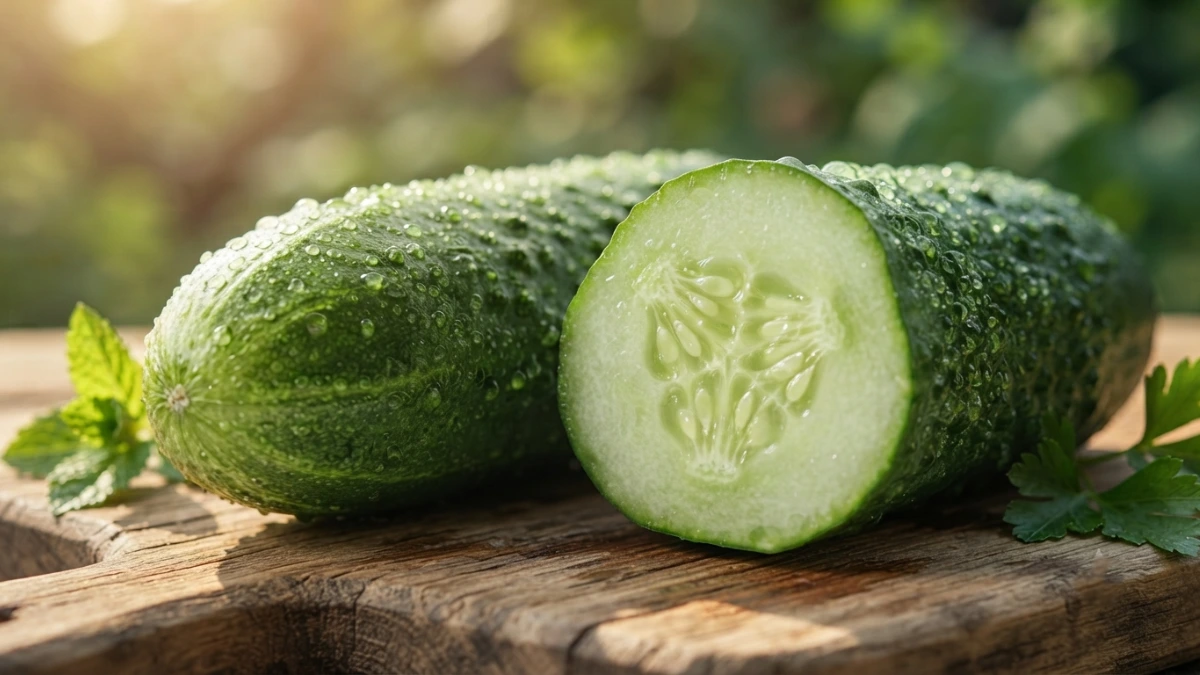
Crunchy, refreshing, and incredibly versatile, cucumber is one of the easiest vegetables to add to your daily diet. Whether you enjoy it in salads, sandwiches, smoothies, or simply as a quick snack, cucumber does much more than add a satisfying crunch to your meals.
What makes cucumber special isn’t just its refreshing taste—it’s also naturally low in calories, made up of about 95% water, and provides essential nutrients like vitamin K, vitamin C, potassium, and antioxidants. According to the USDA FoodData Central and the NIH Office of Dietary Supplements, these nutrients support hydration, bone health, immune function, and overall well-being when included as part of a balanced diet.
In this guide, you’ll discover the nutritional value of cucumber, including its calories, nutrition facts, key nutrients, and 7 science-backed health benefits. We’ll also compare peeled vs. unpeeled cucumber, share simple ways to enjoy it, and answer some of the most common questions to help you get the most out of this everyday vegetable.
In This Article
What Is the Nutritional Value of Cucumber?
If someone asked you to describe cucumber in one sentence, you’d probably say it’s mostly water—and you’d be right! But there’s more to this refreshing vegetable than just hydration.
Cucumber is naturally low in calories, contains about 95% water, and provides small but valuable amounts of nutrients like vitamin K, vitamin C, potassium, magnesium, and dietary fiber. While it isn’t the richest source of vitamins or minerals, it can still make a healthy addition to a balanced diet, especially if you’re looking for foods that are light, hydrating, and nutritious.
One of the biggest advantages of cucumber is its low energy density. In simple terms, you can enjoy a generous serving without consuming many calories, making it a smart choice for anyone trying to maintain a healthy weight or simply eat more vegetables.
The table below shows the approximate nutritional value of 100 grams of raw cucumber with the peel, based on data from the USDA FoodData Central.
Cucumber Nutrition Facts (Per 100 g)
| Nutrient | Amount |
|---|---|
| Calories | 15 kcal |
| Water | 95.2 g |
| Protein | 0.65 g |
| Total Carbohydrates | 3.63 g |
| Dietary Fiber | 0.5 g |
| Total Sugars | 1.67 g |
| Total Fat | 0.11 g |
| Calcium | 16 mg |
| Iron | 0.28 mg |
| Magnesium | 13 mg |
| Phosphorus | 24 mg |
| Potassium | 147 mg |
| Sodium | 2 mg |
| Vitamin C | 2.8 mg |
| Vitamin K | 16.4 µg |
| Folate | 7 µg |
Quick Highlights
- About 95% water, making cucumber one of the most hydrating vegetables.
- Only 15 calories per 100 g, making it ideal for calorie-conscious diets.
- Provides vitamin K, vitamin C, potassium, and fiber to support overall health.
- Naturally low in fat and easy to include in almost any healthy eating pattern.
Key Nutrients in Cucumber
Even though cucumber is mostly water, it still offers a mix of vitamins and minerals that help support your overall health. Think of it as a light, refreshing vegetable that adds hydration along with a nutritional boost.
One of its standout nutrients is vitamin K, which helps maintain healthy bones and supports normal blood clotting. Cucumber also provides vitamin C, an antioxidant that supports immune function and helps your body produce collagen for healthy skin and wound healing.
You’ll also get small amounts of potassium, which plays a role in maintaining normal blood pressure, muscle function, and nerve signaling. In addition, cucumber contains magnesium, phosphorus, calcium, and folate—nutrients that contribute to energy production, bone health, and other important body functions.
If you enjoy eating cucumber with the peel on, that’s even better. The skin contains most of its dietary fiber along with beneficial plant compounds that have antioxidant properties. Just be sure to wash it thoroughly before eating.
While cucumber isn’t a nutrient powerhouse like spinach or kale, it’s an easy way to increase your daily intake of water and essential nutrients. When paired with a variety of fruits, vegetables, whole grains, and protein-rich foods, it can be a valuable part of a healthy, balanced diet.
7 Science-Backed Health
Cucumber isn’t just a refreshing addition to your plate—it also offers several health benefits. Thanks to its high water content, low calorie count, and essential nutrients, adding cucumber to your meals is a simple way to support your overall health. Here are seven science-backed reasons why cucumber deserves a place in your diet.
1. Helps You Stay Hydrated
Ever noticed how refreshing cucumber tastes on a hot day? That’s because it’s made up of about 95% water. While it can’t replace drinking water, eating water-rich foods like cucumber can help you meet your daily fluid needs. Staying hydrated supports normal body temperature, digestion, nutrient transport, and overall physical performance.
2. Supports Healthy Weight Management
If you’re trying to eat healthier or manage your weight, cucumber is a great food to keep on hand. With only 15 calories per 100 grams, it adds crunch and volume to meals without adding many calories. Toss it into salads, sandwiches, or enjoy it as a snack to help you feel satisfied while keeping your calorie intake in check.
3. Promotes Healthy Digestion
Your digestive system needs both water and fiber to work well, and cucumber provides a little of both. While it isn’t a high-fiber vegetable, eating cucumber with the peel can support regular bowel movements and contribute to a healthy digestive system. Pairing it with other fiber-rich foods makes it even more beneficial.
4. Supports Heart Health
Looking after your heart doesn’t always require big dietary changes—sometimes, it’s the small habits that make a difference. Cucumber provides potassium, a mineral that helps balance sodium levels in the body and supports normal blood pressure, muscle function, and nerve signaling. While cucumber alone won’t improve heart health, it can be a healthy addition to a heart-friendly eating pattern that’s rich in fruits and vegetables.
5. Provides Antioxidant Support
Every day, your body is exposed to unstable molecules called free radicals, which can contribute to oxidative stress over time. Cucumber contains natural plant compounds, including flavonoids and cucurbitacins, along with vitamin C, which have antioxidant properties. These compounds help protect your cells and are one more reason to include a variety of colorful vegetables in your diet.
6. Supports Bone Health
You might not think of cucumber as a bone-friendly food, but it does provide vitamin K, a nutrient that’s essential for maintaining healthy bones and supporting normal blood clotting. While cucumber shouldn’t be your only source of vitamin K, eating it regularly alongside other nutrient-rich foods can help you meet your daily needs.
7. May Support Healthy Blood Sugar Management
Cucumber is naturally low in calories and carbohydrates, making it a smart choice for balanced meals and snacks. Because it has a high water content and contains very little sugar, it can fit well into eating patterns designed to support healthy blood sugar levels. However, cucumber isn’t a treatment for diabetes or any medical condition—it works best as part of an overall healthy lifestyle that includes a balanced diet and regular physical activity.
Cucumber With Peel vs. Without Peel: Which Is Healthier?
If you’ve ever wondered whether you should peel a cucumber before eating it, the short answer is it depends on your preference—but keeping the peel on offers a few extra nutritional benefits.
The peel contains most of the cucumber’s dietary fiber along with some beneficial plant compounds that have antioxidant properties. It also retains slightly more vitamins and minerals than peeled cucumber. So, if the cucumber is fresh and thoroughly washed, eating it with the skin on is usually the healthier choice.
That said, peeled cucumber is still a nutritious option. Some people prefer peeling it because of its texture, bitter taste, or the wax coating often found on conventionally grown cucumbers. You’ll still get plenty of water and essential nutrients, just with a little less fiber.
Quick Comparison
| With Peel | Without Peel |
|---|---|
| Higher in dietary fiber | Slightly lower in fiber |
| Contains more beneficial plant compounds | Contains fewer antioxidants |
| Retains slightly more vitamins and minerals | Slightly lower nutrient content |
| Best after washing thoroughly | A good choice if you prefer a smoother texture |
Quick Tip: Whenever possible, enjoy cucumber with the peel after washing it well. It’s an easy way to get a little more fiber and make the most of its natural nutrients.
Best Ways to Eat Cucumber for Maximum Nutrition
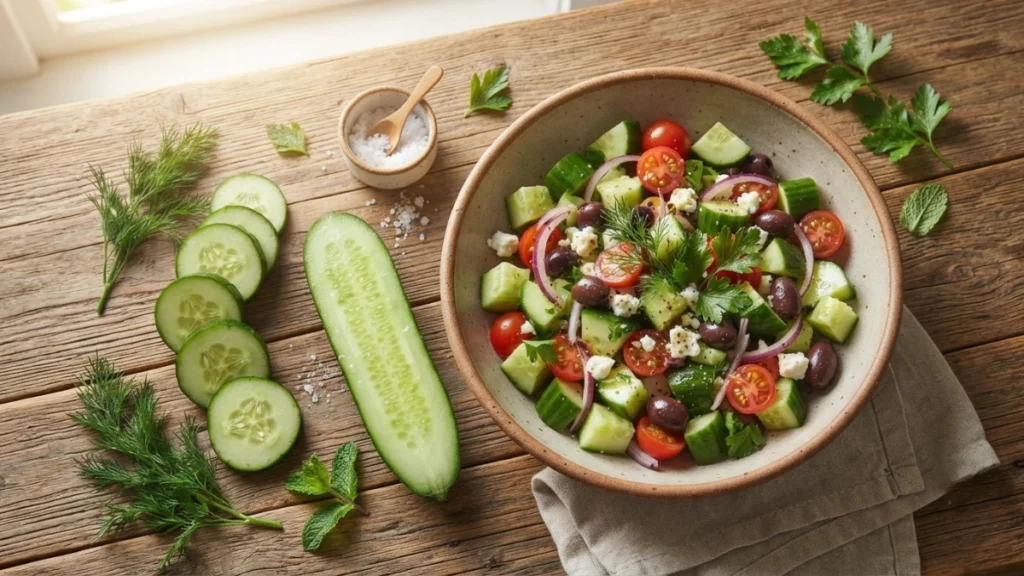
One of the best things about cucumber is how easy it is to include in your daily meals. Since it’s usually eaten raw, it retains most of its water, fiber, and heat-sensitive nutrients like vitamin C. If possible, enjoy cucumber with the peel on after washing it thoroughly to get a little extra fiber and beneficial plant compounds.
Here are some simple and delicious ways to enjoy cucumber:
- Add sliced cucumber to salads for extra crunch and freshness.
- Pair it with hummus, Greek yogurt, or guacamole for a satisfying snack.
- Blend it into smoothies with fruits and leafy greens for a refreshing drink.
- Add cucumber slices to water with lemon and mint for a naturally flavored beverage.
- Layer it into sandwiches, wraps, or burgers for extra texture without adding many calories.
Pro Tip: While cucumber is nutritious on its own, pairing it with healthy fats or protein-rich foods—like avocado, nuts, seeds, eggs, or yogurt—can make your snack or meal more filling and balanced.
Are There Any Side Effects of Cucumber?
For most people, cucumber is a safe and healthy food to enjoy every day as part of a balanced diet. However, there are a few things worth keeping in mind.
Some people may experience mild bloating or digestive discomfort if they eat large amounts of cucumber, especially if they have a sensitive stomach. Although rare, cucumber allergies can also occur in some individuals.
If you’re taking blood-thinning medications such as warfarin, it’s a good idea to keep your vitamin K intake consistent rather than making sudden changes to your diet. Since cucumber contains vitamin K, speak with your healthcare provider if you have any concerns.
Overall, cucumber is a nutritious, low-calorie vegetable that most people can enjoy regularly without any problems.
Frequently Asked Questions
Is it healthy to eat cucumber every day?
Yes. Cucumber can be a healthy part of your daily diet. It’s low in calories, rich in water, and provides nutrients like vitamin K, vitamin C, and potassium. Eating a variety of vegetables—including cucumber—is a simple way to support overall health.
Is cucumber good for weight loss?
It can be. Because cucumber is low in calories and high in water, it helps add volume to meals without adding many extra calories. While no single food causes weight loss, cucumber fits well into a balanced, calorie-conscious diet.
Is cucumber healthier with the peel on?
In most cases, yes. The peel contains extra fiber and beneficial plant compounds, so eating cucumber with the skin on offers slightly more nutrition. Just remember to wash it thoroughly before eating.
How many calories are in a cucumber?
Raw cucumber with the peel contains about 15 calories per 100 grams, making it one of the lowest-calorie vegetables you can enjoy.
Can people with diabetes eat cucumber?
Yes. Cucumber is naturally low in calories and carbohydrates, making it a suitable choice for many people with diabetes. However, it should be enjoyed as part of an overall healthy eating plan and doesn’t replace medical treatment or advice.
What’s the healthiest way to eat cucumber?
The healthiest way is to enjoy it fresh and with the peel on, as long as it’s washed properly. This helps you get the most fiber and beneficial nutrients while keeping it crisp and refreshing.
Final Thoughts
Cucumber may seem like a simple vegetable, but it offers plenty of nutritional benefits. It’s naturally low in calories, packed with water, and provides vitamins, minerals, and antioxidants that support your overall health. Whether you’re trying to stay hydrated, manage your weight, or simply eat more fresh vegetables, cucumber is an easy and nutritious choice.
For the most nutritional value, enjoy cucumber fresh, eat it with the peel whenever possible, and include it as part of a balanced diet filled with a variety of fruits, vegetables, whole grains, and protein-rich foods. Small, healthy habits like these can make a big difference over time.
You May Also Like
Guava Benefits: Is This Vitamin C-Rich Fruit Really Good for You?
