
Quick Guide
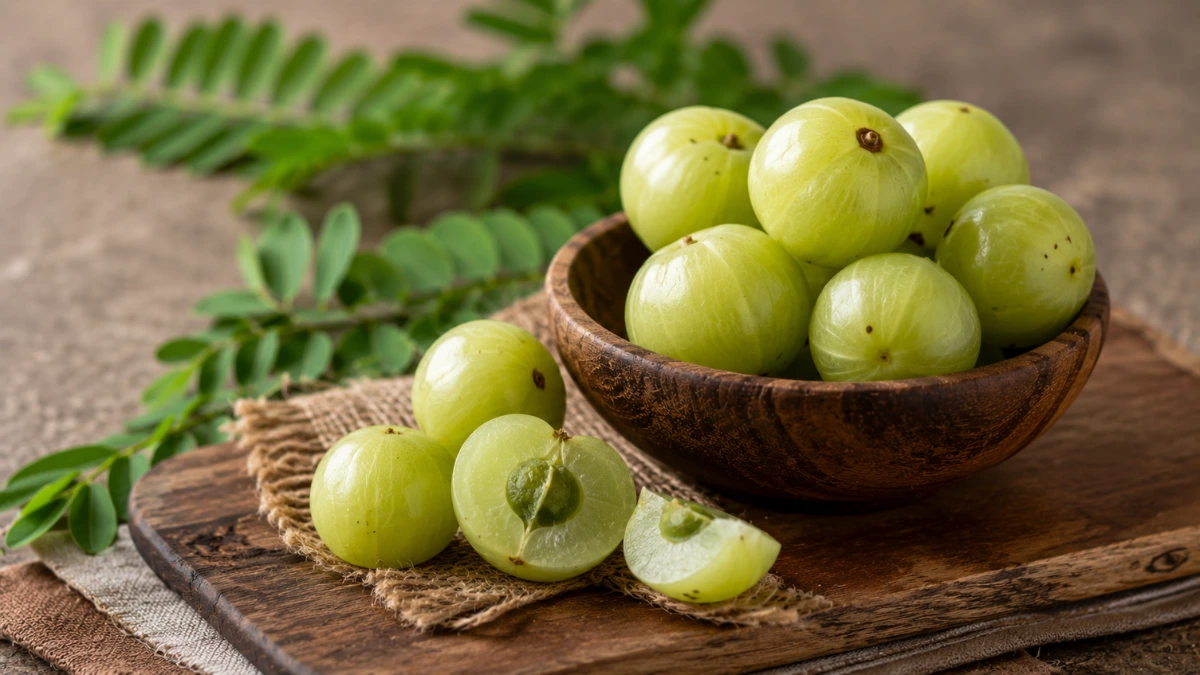
Amla, also known as Indian gooseberry, is a small green fruit naturally rich in vitamin C, fiber, and plant compounds. It may support immunity, healthy digestion, skin, heart health, and overall wellness when enjoyed as part of a balanced diet.
Amla benefits have been appreciated in India for centuries, but today this humble fruit is gaining attention around the world for a different reason—its impressive nutritional value.
At first glance, amla doesn’t look extraordinary. It’s small, sour, and often overlooked beside colorful fruits like oranges, berries, or apples. But once I started exploring its nutrition and the research behind it, I understood why it has remained an important part of traditional Indian diets for generations.
What impressed me most wasn’t just that amla is naturally rich in vitamin C. It also provides fiber and beneficial plant compounds that work together to support overall health. Of course, no single food can transform your health overnight, but adding nutrient-rich foods like amla to your daily routine is one small habit that can make a meaningful difference over time.
Let’s explore why this tiny fruit deserves far more attention than it usually gets.
Table of Contents
Why Is Amla Called the Indian Superfruit?
Amla is often referred to as the “Indian Superfruit” because it’s naturally packed with nutrients despite its small size.
It contains vitamin C, dietary fiber, and a variety of naturally occurring polyphenols and antioxidants. Unlike many processed health products, amla is a whole food that’s been part of traditional Indian eating habits for centuries.
According to the National Institutes of Health (NIH), vitamin C plays an essential role in immune function, collagen production, wound healing, and protecting cells from oxidative stress. That’s one reason vitamin C-rich foods like amla are encouraged as part of a healthy diet.
13 Surprising Amla Benefits
1. One of Nature’s Richest Sources of Vitamin C
The first thing most people learn about amla is its impressive vitamin C content—and for good reason.
Vitamin C supports your immune system, helps your body produce collagen, and acts as an antioxidant that protects cells from everyday oxidative stress.
Instead of thinking of amla as a “medicine,” it’s better to think of it as a naturally nutrient-rich fruit that helps you meet your daily vitamin C needs.
2. May Help Support Your Immune System
A strong immune system depends on many factors, including good nutrition, quality sleep, regular exercise, and stress management.
Because amla naturally contains vitamin C and antioxidants, it can be a valuable addition to an overall healthy lifestyle.
It won’t prevent every illness, but regularly eating nutrient-rich fruits is one practical step toward supporting your body’s natural defenses.
3. Rich in Antioxidants That Help Protect Your Cells
Every day, your body is exposed to oxidative stress caused by normal metabolism and environmental factors.
Amla contains naturally occurring antioxidant compounds such as polyphenols that help protect your cells from oxidative damage.
Research published on amla suggests that its antioxidant properties are largely due to its rich content of vitamin C and beneficial plant compounds.
4. Supports Healthy Skin from Within
Healthy skin isn’t only about what you apply on the outside—nutrition matters too.
Vitamin C plays an important role in collagen production, which helps maintain healthy skin structure.
That’s one reason foods naturally rich in vitamin C, including amla, are often recommended as part of a balanced diet.
5. May Help Improve Iron Absorption
Here’s a benefit many people don’t know.
Vitamin C helps your body absorb non-heme iron, the type of iron found in plant-based foods such as lentils, beans, spinach, and other vegetables.
Enjoying amla alongside iron-rich meals may support better iron absorption as part of a balanced diet.
6. Supports Healthy Digestion
Amla naturally contains dietary fiber, an important nutrient that supports digestive health.
Fiber helps add bulk to the diet and supports regular bowel movements when combined with adequate water intake.
Personally, I like foods that nourish the body without making healthy eating feel complicated—and amla fits that perfectly.
7. A Heart-Friendly Fruit Worth Adding to Your Diet
Heart health isn’t determined by one food—it’s built through consistent healthy choices.
Eating more fruits and vegetables is one habit supported by nutrition experts worldwide.
Amla contributes vitamin C, fiber, and antioxidant compounds that fit well into a heart-conscious eating pattern.
According to the USDA FoodData Central, amla provides vitamin C along with other naturally occurring nutrients that make it a valuable addition to a varied and balanced diet.
8. May Help You Feel Fuller for Longer
One of the simplest ways to improve your diet is by choosing foods that keep you satisfied.
Amla contains dietary fiber, which may help you feel full for longer when eaten as part of a balanced meal or snack. While it isn’t a weight-loss food on its own, replacing processed snacks with fresh fruits like amla can be a healthier choice.
9. A Simple Way to Add More Nutrients to Your Day
Healthy eating doesn’t have to be complicated.
One fresh amla can add vitamin C, fiber, and beneficial plant compounds to your daily diet without requiring expensive supplements or special recipes.
Sometimes, the simplest foods are the ones that make healthy habits easier to maintain.
10. Supports Healthy Hair as Part of Good Nutrition
Amla has long been associated with hair care in traditional practices.
While eating amla won’t magically transform your hair overnight, its vitamin C content supports collagen production, and good overall nutrition plays an important role in maintaining healthy hair.
Healthy hair starts with a healthy body.
11. May Help Your Body Cope with Everyday Oxidative Stress
Every day, your body faces oxidative stress from normal metabolism, pollution, sunlight, and other environmental factors.
The natural antioxidants found in amla help protect your cells from this everyday stress, which is one reason fruits and vegetables are recommended as part of a healthy diet.
12. Easy to Enjoy in Many Different Ways
One reason I love recommending amla is that it never gets boring.
You can enjoy it:
- Fresh
- As homemade juice (without added sugar)
- As dried amla
- In chutney
- In smoothies
- Mixed into fruit salads
- As amla powder in yogurt or smoothies
The easier a healthy food is to include in everyday meals, the more likely you’ll actually keep eating it.
13. Small Fruit, Big Nutrition
Perhaps the biggest surprise about amla isn’t just one specific benefit—it’s how many nutrients fit into such a small fruit.
Instead of looking for a “magic” superfood, I prefer looking for foods that are naturally nutritious, affordable, and easy to eat regularly.
Amla checks all three boxes.
Best Ways to Eat Amla
There isn’t one perfect way to eat amla. The best choice is simply the one you’ll enjoy consistently.
Fresh Amla (Best Overall)
Fresh amla retains its natural nutrients and has no added ingredients.
Homemade Amla Juice
Blend fresh amla with water and avoid adding extra sugar whenever possible.
Amla Powder
A convenient option if fresh fruit isn’t available. It can be mixed into smoothies, yogurt, or warm water.
Dried Amla
A portable snack that’s easy to carry, but check the label for added sugar or preservatives.
Amla Murabba
Tasty, but often high in added sugar. Enjoy it occasionally rather than every day.
Which Form of Amla Is Best?
| Form | Best For |
|---|---|
| Fresh Amla | Everyday nutrition |
| Homemade Juice | Refreshing drink |
| Amla Powder | Convenience |
| Dried Amla | Healthy snacking |
| Murabba | Occasional treat |
Tips to Get the Most Benefits from Amla
- Choose fresh, firm, green amla whenever possible.
- Wash thoroughly before eating.
- Pair it with a balanced diet rich in fruits and vegetables.
- Enjoy it regularly instead of eating large amounts occasionally.
- Avoid adding too much sugar to juices or recipes.
- Store fresh amla in the refrigerator to maintain freshness.
Healthy habits are built through consistency—not perfection.
Things to Watch Out For
Although amla is nutritious, it’s not the right choice for everyone.
Keep these points in mind:
- Its naturally sour taste may not suit people with sensitive stomachs.
- Large amounts may cause digestive discomfort in some individuals.
- Sweetened products like candies or murabba can contain significant amounts of added sugar.
- If you have a medical condition or take prescription medications, speak with your healthcare provider before making major dietary changes.
Moderation is usually the best approach.
My Personal Experience
Before I started learning more about nutrition, I mostly knew amla as the sour fruit my family often recommended because it was “good for health.” I never really understood why.
As I spent more time researching healthy foods, I discovered that amla is naturally rich in vitamin C, fiber, and antioxidants. That completely changed the way I looked at it. Instead of seeing it as just another traditional remedy, I started appreciating it as a simple, nutritious food that fits easily into a balanced lifestyle.
These days, whenever amla is in season, I enjoy it fresh or blend it into homemade juice without adding much sugar. It’s one of those healthy habits that’s easy to maintain—and I’ve learned that simple, consistent choices are often the ones that last.
Frequently Asked Questions
Can I eat amla every day?
Many healthy adults can enjoy moderate amounts of fresh amla as part of a balanced diet. Variety is still important, so don’t rely on one food alone.
What is the best time to eat amla?
There isn’t a single best time. Many people enjoy it in the morning or as part of breakfast, but the most important thing is eating it regularly.
Is fresh amla better than amla juice?
Fresh amla is generally a great choice because it contains fiber and no added sugar. Homemade juice can also be a healthy option if prepared without excessive sweeteners.
Can I eat amla on an empty stomach?
Some people do without any problems, while others may find its sour taste uncomfortable. Pay attention to how your body responds.
Is amla good for skin and hair?
Amla contains vitamin C and antioxidants that support overall health. Healthy skin and hair are influenced by many factors, including good nutrition, sleep, hydration, and overall lifestyle.
Final Thoughts
Amla proves that you don’t need expensive “superfoods” to nourish your body.
This small green fruit is naturally rich in vitamin C, fiber, and beneficial plant compounds, making it a smart addition to a balanced diet. While no single food can transform your health, regularly choosing nutrient-rich whole foods like amla is one of the simplest ways to support your overall well-being.
If you’ve never made amla part of your routine, start small. Try it fresh, blend it into a homemade juice, or add a little amla powder to your smoothie. Sometimes, the healthiest habits begin with the smallest changes.
You May Also Like
Honey and Lemon Water Benefits | Best Dry Fruits for Health| How to Eat Pumpkin Seeds for Maximum Health Benefits
